
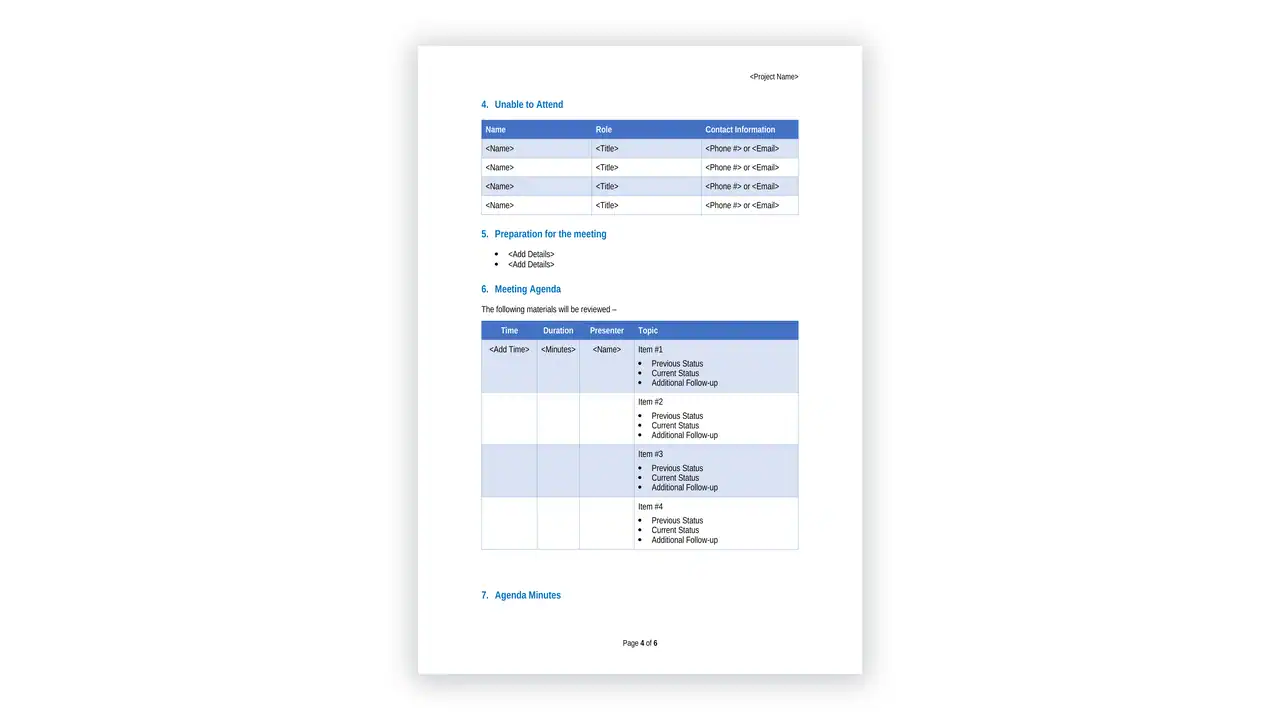
This is the largest general-purpose pack in the catalogue – a full PMO document set covering the whole delivery lifecycle, from business case to benefits realisation, in both traditional and agile forms. 394 editable templates across fifteen areas, downloadable the moment you check out. On this page:
- What is in the PMO document set pack
- Why a PMO document set beats adopting a methodology
- Who needs PMO document set
- How the documents map to the framework
- Frequently asked questions
- Related toolkits
What is in the PMO document set pack
Fifteen numbered areas, so you can take the parts your organisation actually uses rather than adopting a methodology wholesale:
- 01 Initiation and Business Case – project charter, business case, feasibility, options appraisal and project initiation documents
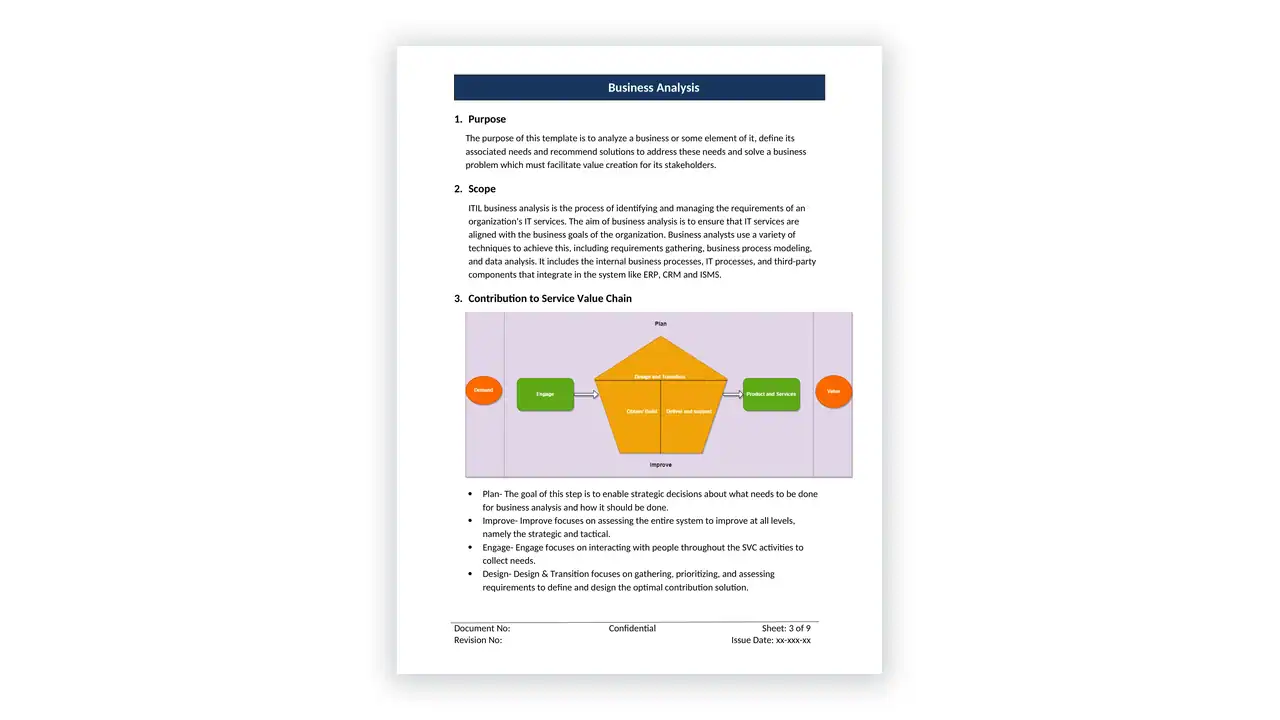
- 02 Scope, Requirements and Analysis – scope statement, work breakdown structure, requirements traceability and change of scope control
- 03 Schedule and Timeline Planning – project plans in Microsoft Project format, milestone plans, Gantt templates and critical path tools
- 04 Resources, HR and Capacity – resource plans, RACI matrices, capacity models and team charters
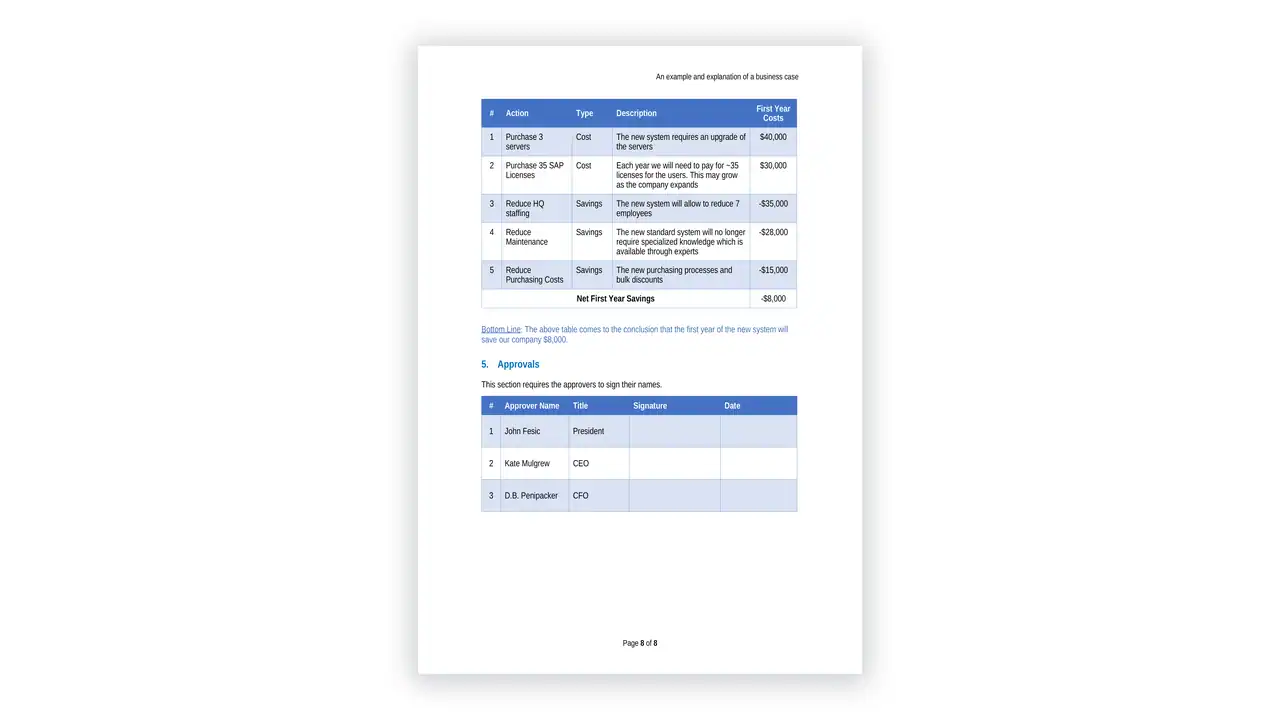
- 05 Cost and Financial Management – cost plans, budget trackers, earned value tools and forecasting models
- 06 Risk, Issue, Change and Release Management – risk and issue logs, change control, decision logs and release planning
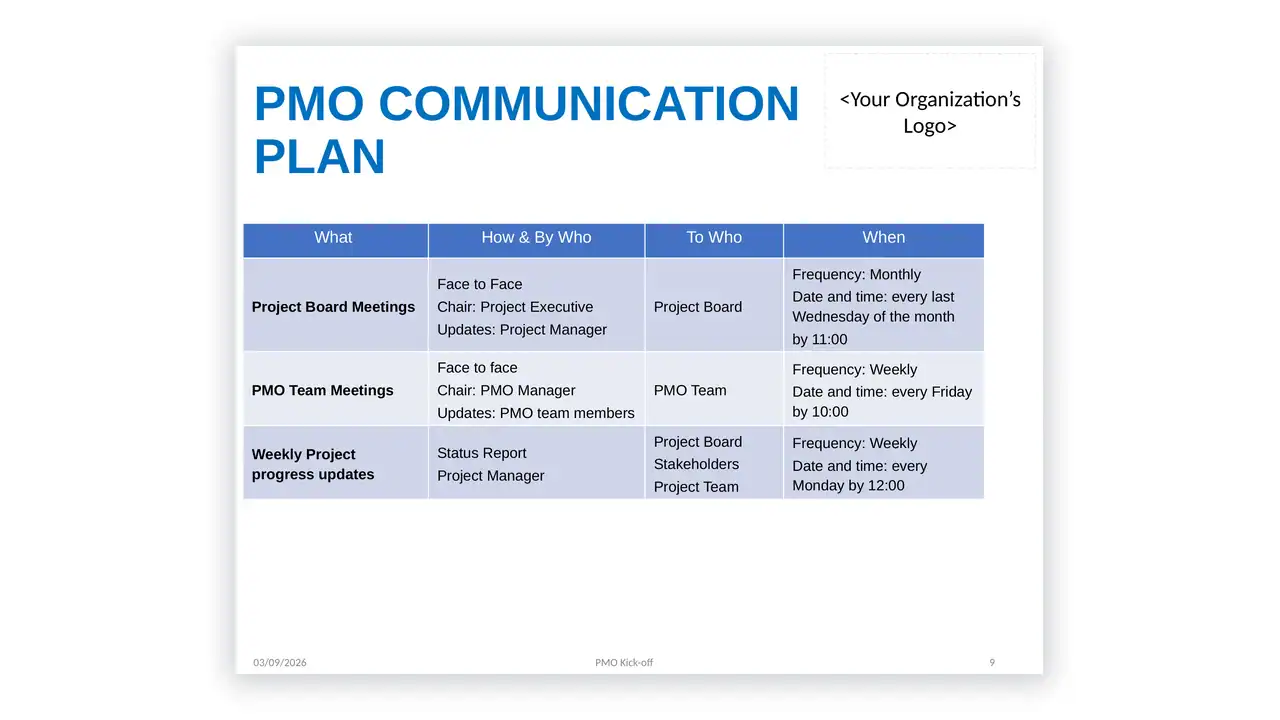
- 07 Stakeholder and Communications – stakeholder analysis, communication plans, reporting packs and email templates
- 08 Execution, Status Tracking and Dashboards – status reports, highlight reports, project dashboards and progress trackers
- 09 Quality and Testing – quality plans, test plans, defect logs and acceptance criteria
- 10 Agile and Scrum – backlogs, sprint planning, burndown charts, retrospectives and velocity tracking
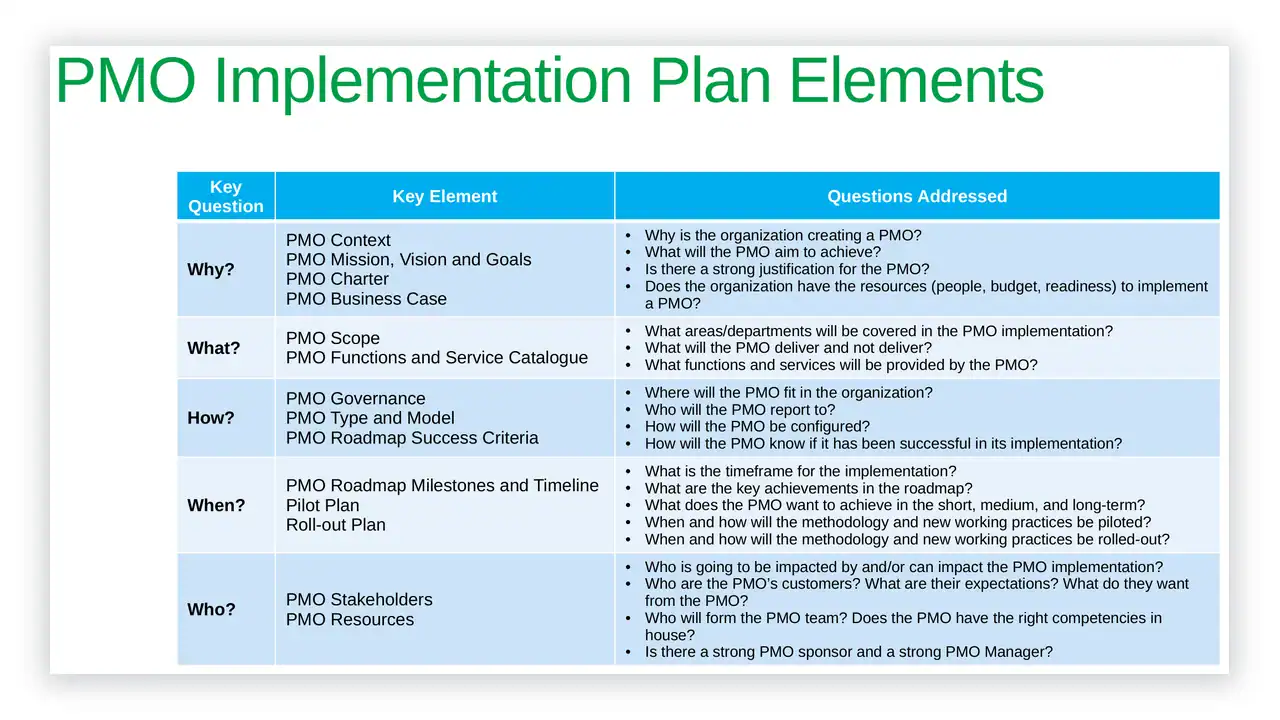
- 11 PMO, Program and Portfolio Management – portfolio dashboards, programme plans, stage gate approvals and PMO operating documents
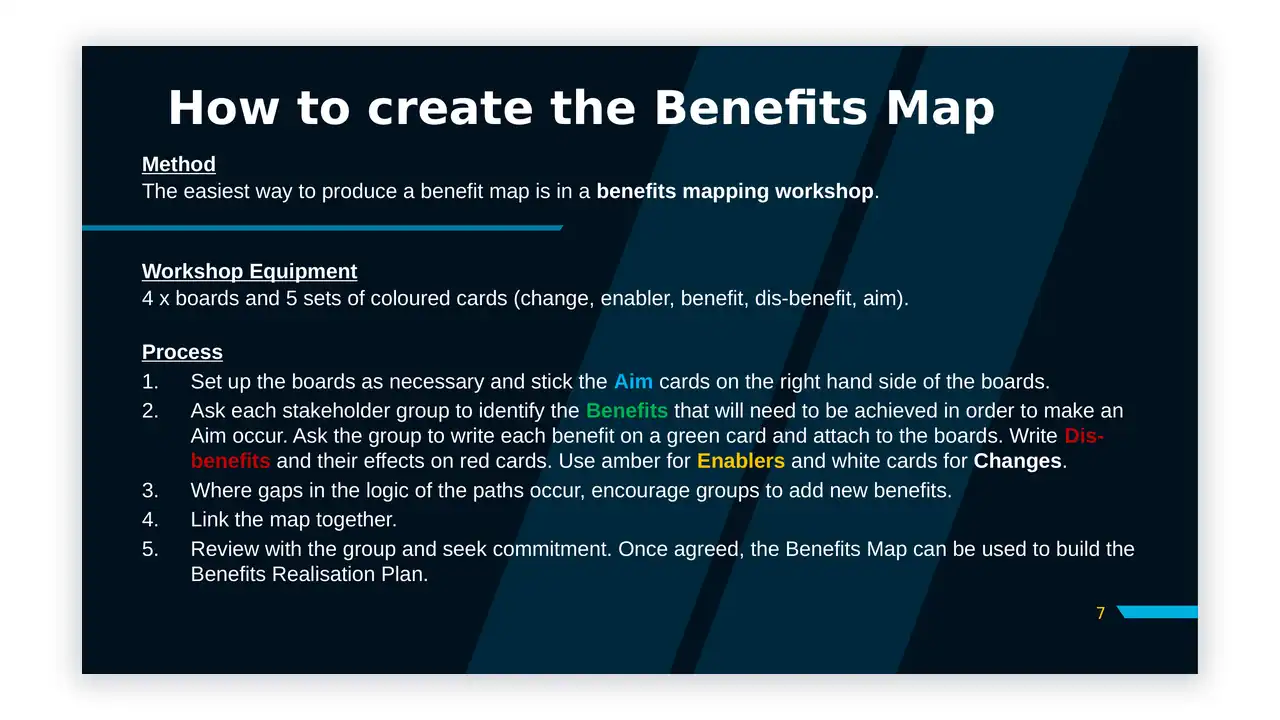
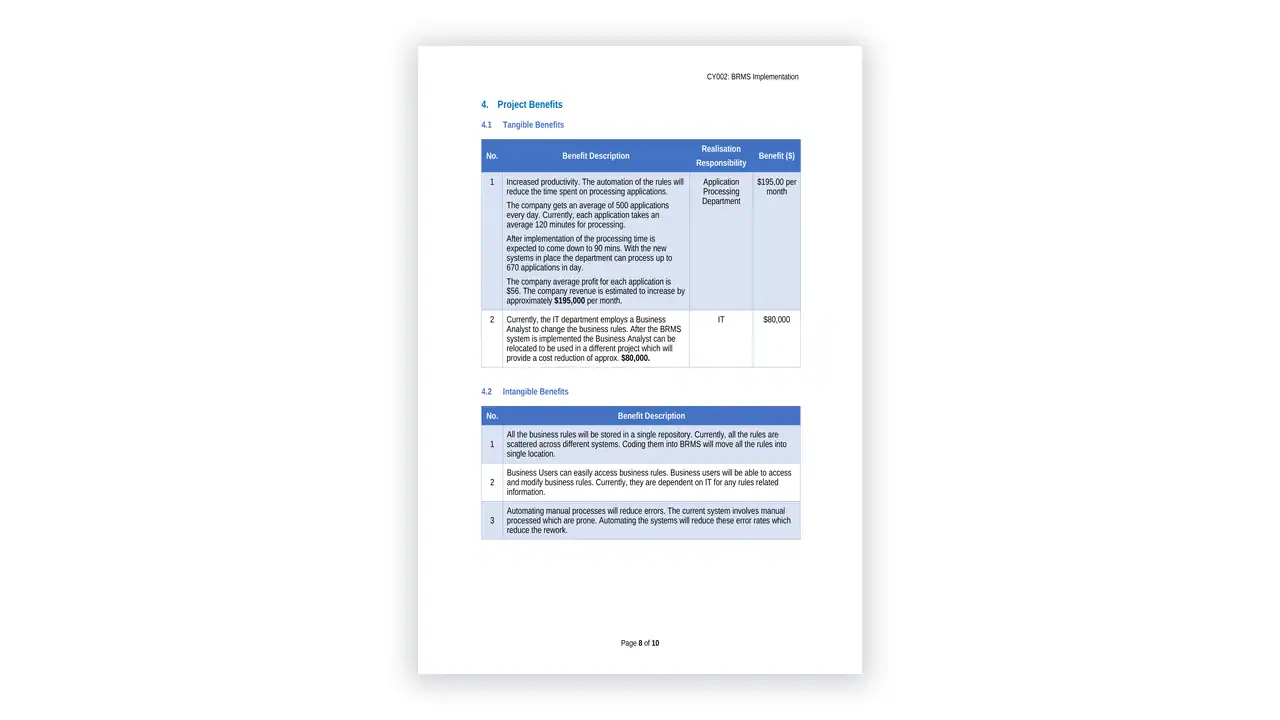
- 12 Benefits Management – benefits maps, realisation plans and post-implementation tracking
- 13 Project Closure and Lessons Learned – closure reports, handover documents and lessons learned registers
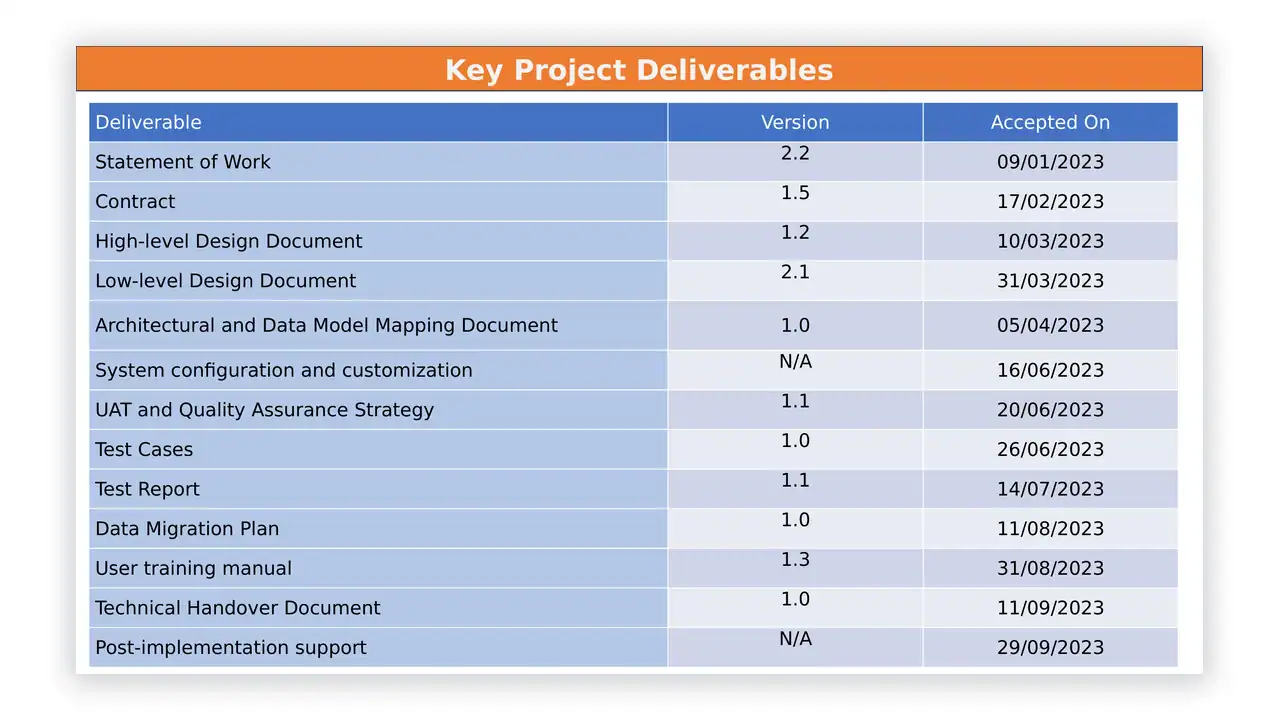
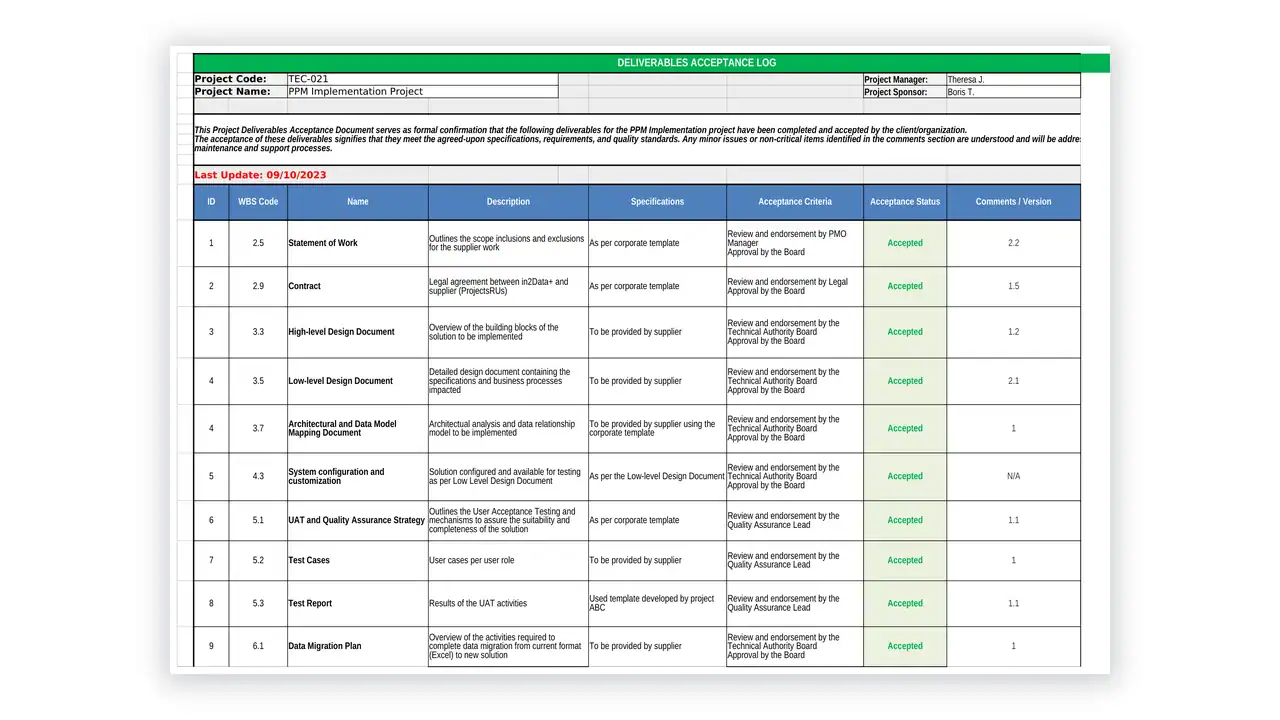
- 14 Technical, SOW, Procurement and Handover – statements of work, vendor selection, contracts and operational handover
- 15 Admin and Utilities – meeting minutes, action logs and the supporting administrative set
Why a PMO document set beats adopting a methodology
Most organisations do not need a methodology – they need the artefacts a methodology would have produced, in a form their own governance recognises. A complete PMO document set gives you that without committing to PRINCE2, PMBOK or SAFe terminology that your stakeholders do not use.
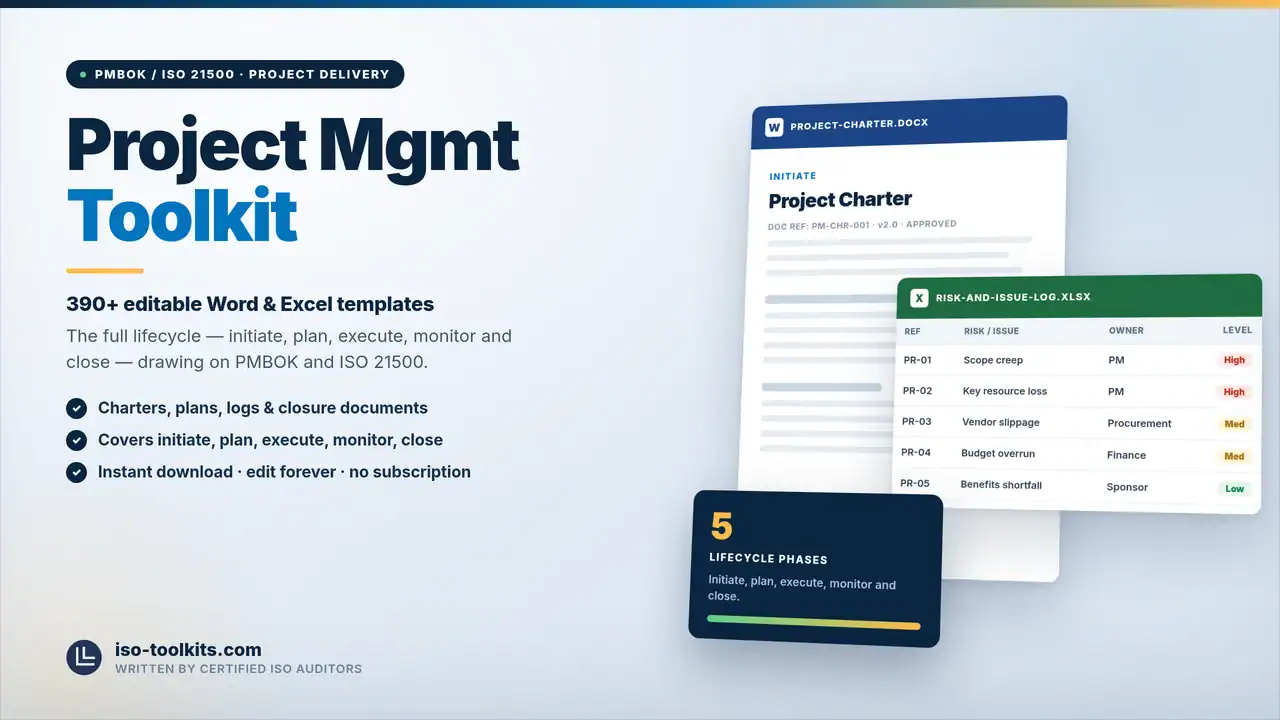
The practical value is in the breadth of formats. 197 Excel workbooks, 93 Word documents, 57 presentations, 22 Microsoft Project plans and 24 macro-enabled workbooks means the tracking tools are actual working tools rather than tables pasted into documents.
Both traditional and agile delivery are covered, which matters because most organisations run both and the PMO has to report across them. Area 10 provides the agile artefacts, while area 11 provides the portfolio view that has to aggregate agile and waterfall delivery into one picture for a board.
Who needs PMO document set
PMOs being established or rebuilt, where the alternative is months of template development. Project and programme managers who need a stage gate pack tomorrow. Consultancies delivering client projects who want a brandable baseline. Organisations standardising delivery across teams that have each invented their own formats. And anyone preparing for a portfolio review who needs consistent reporting across a mixed delivery estate.
How the PMO document set maps to the framework
The temptation with a pack this size is to mandate all of it, which is the fastest way to have it ignored. The area structure exists so a PMO can define a minimum set by project size – charter, plan, risk log, status report and closure for small projects, the full stage gate pack for large ones – and draw from the rest as needed.
Frequently asked questions
What formats are included?
Word, Excel including macro-enabled workbooks, PowerPoint, and Microsoft Project plan files. The tracking tools are functional rather than illustrative.
Is this PRINCE2 or PMBOK based?
Neither exclusively. The artefacts align with both and with agile delivery, deliberately using neutral terminology so they fit your existing governance language.
Does it cover agile?
Yes – backlogs, sprint planning, burndown, retrospectives and velocity, plus the portfolio layer that has to report across agile and waterfall together.
Do we have to use all 394?
No, and you should not. Define a minimum set by project size and draw from the rest as needed.
How many templates are included?
394 editable templates – 197 Excel workbooks, 93 Word documents, 57 presentations, 24 macro-enabled workbooks and 22 Microsoft Project plans.
Related toolkits
Project delivery sits alongside governance and service management. See the COBIT 2019 Toolkit for IT governance, the ITIL Toolkit for service management, the ISO 9001 Toolkit for quality management and the ISO 31000 Toolkit for the risk framework.
Implementing for clients? The Consultant Package licenses all 86 toolkits and assessment tools on this site for unlimited client engagements, under one firm-wide licence. One payment of $1,399, no subscription and no per-client fee.
Delivery, format and licence
Your PMO document set downloads immediately after checkout as native Microsoft Word and Excel files. Nothing is watermarked or locked, so you can rebrand the documents, bring them under your own document control and revise them for as long as you need them.
One-time purchase. No subscription and no annual renewal. Because the source files behind the PMO document set are yours, revising a procedure after an audit finding or a change of scope is an internal edit rather than another purchase.


Reviews
There are no reviews yet