
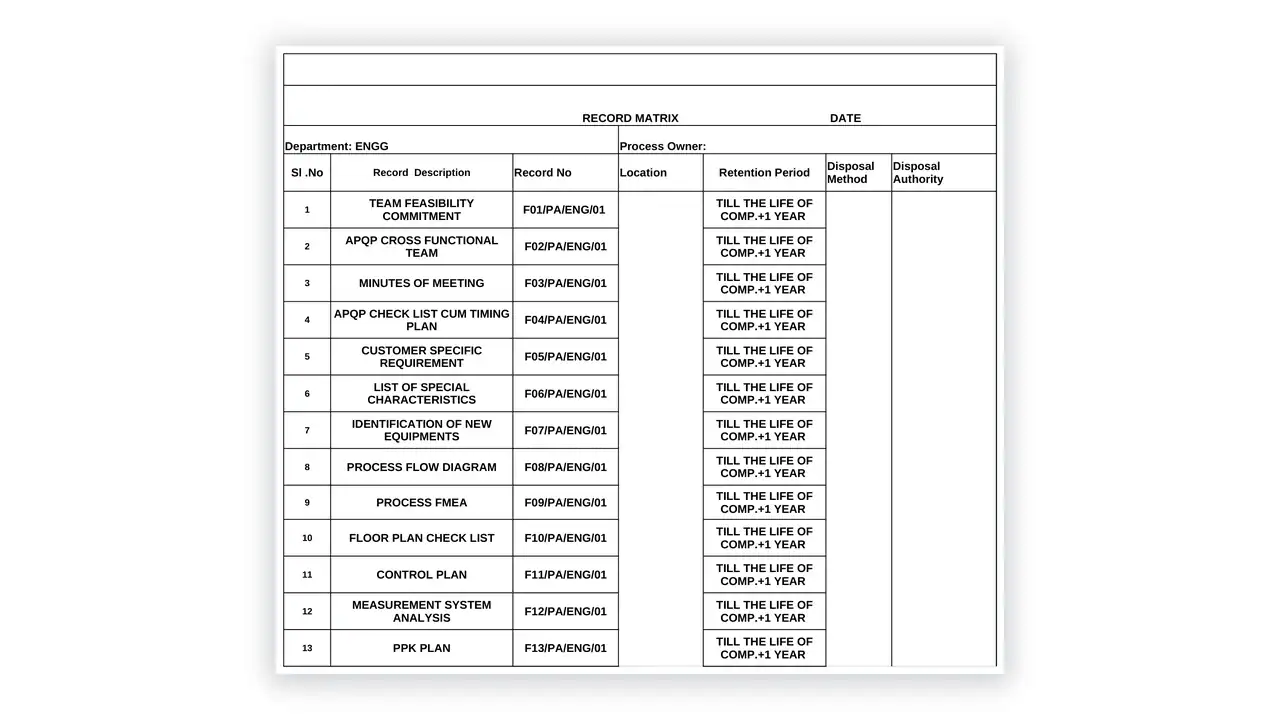
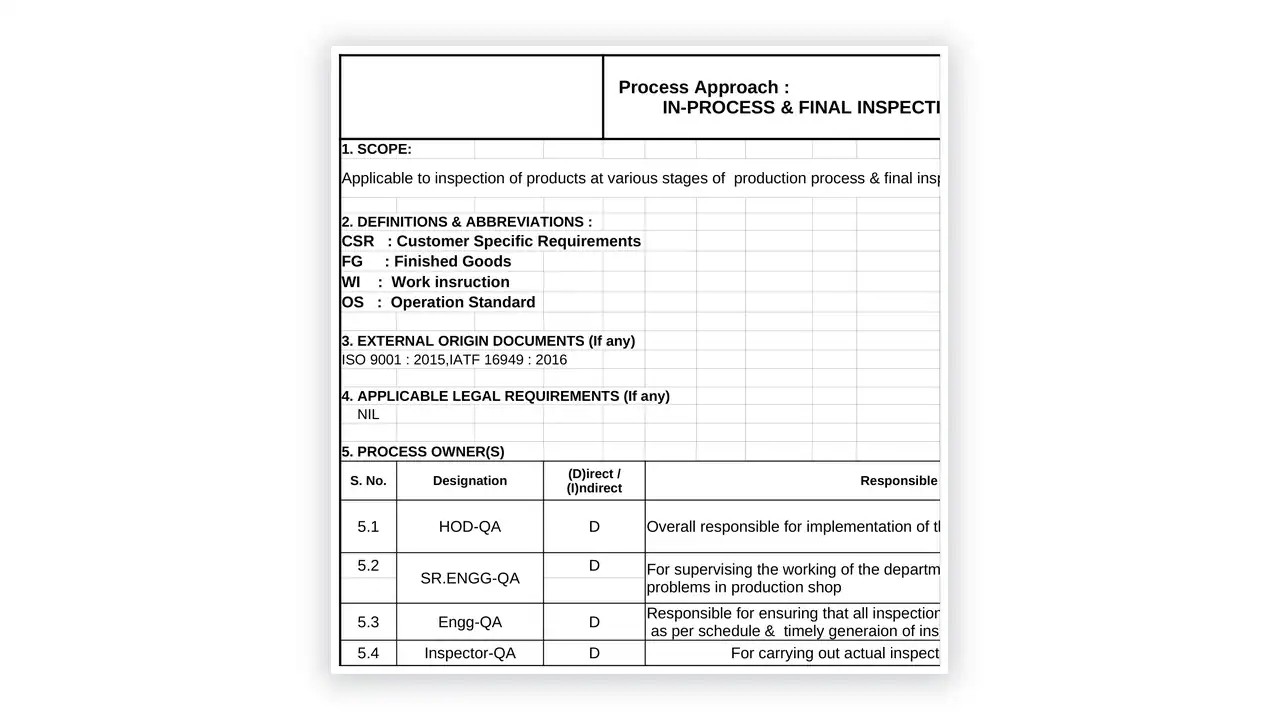
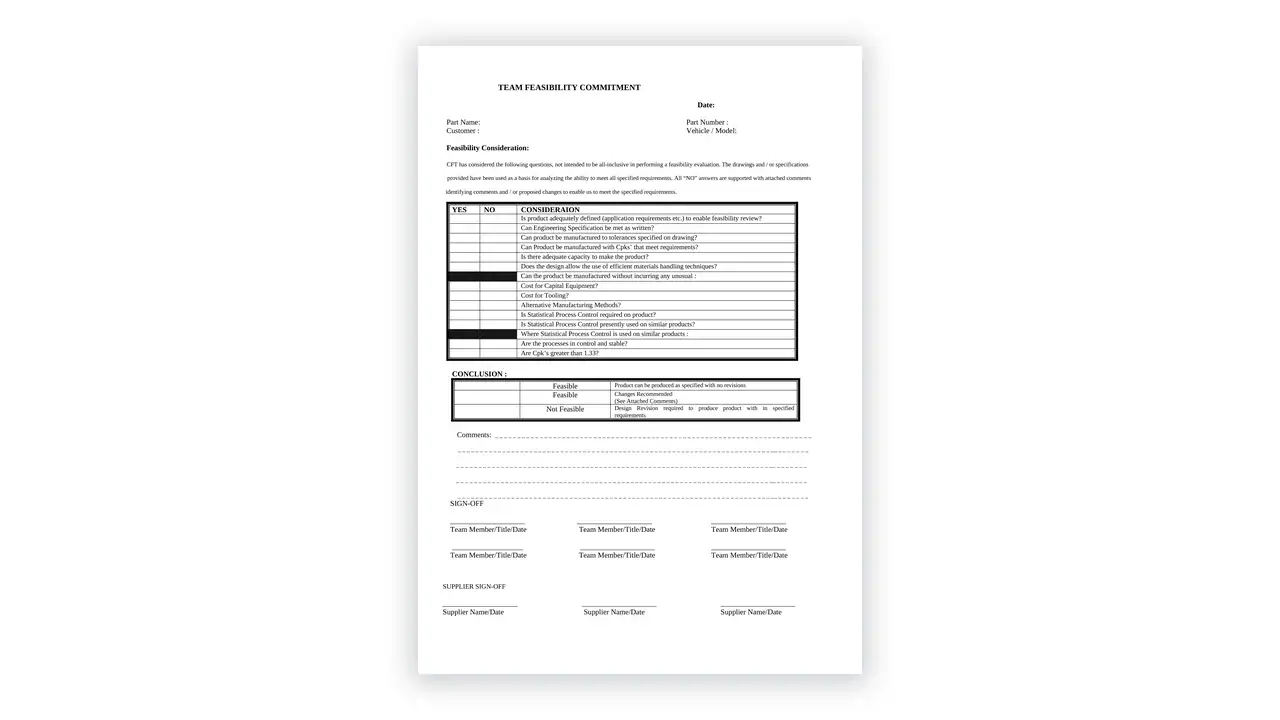
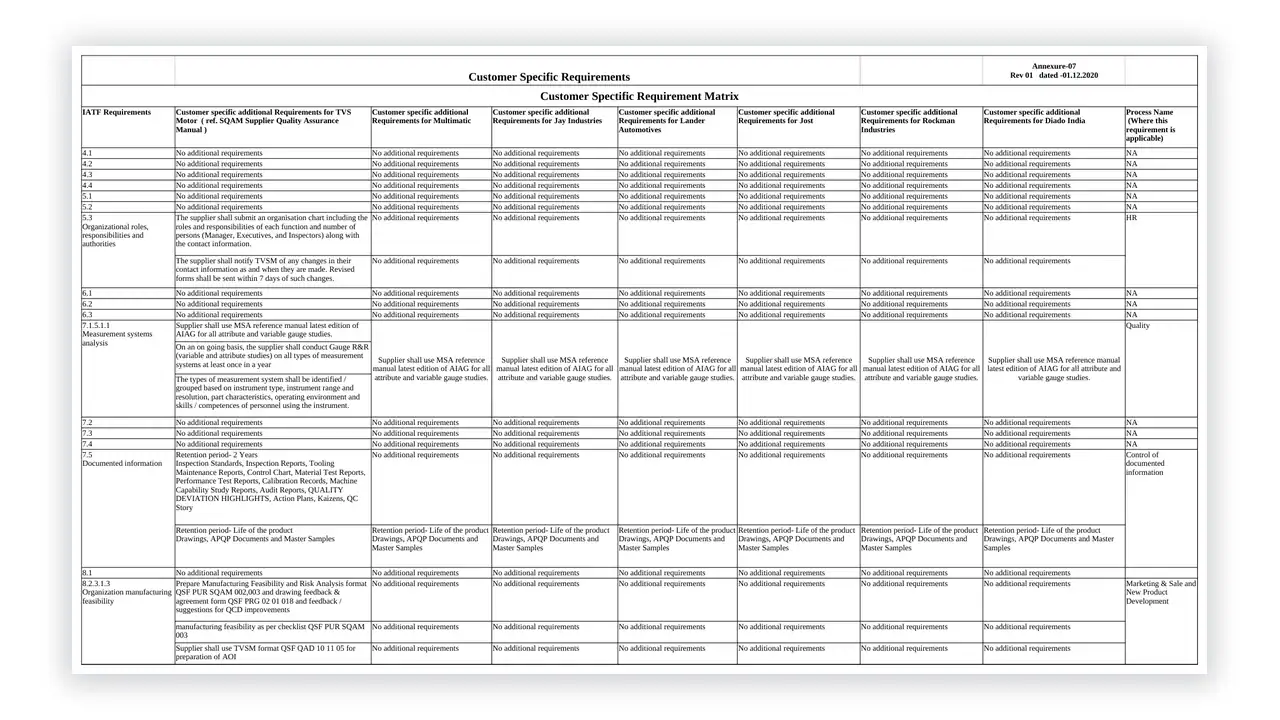
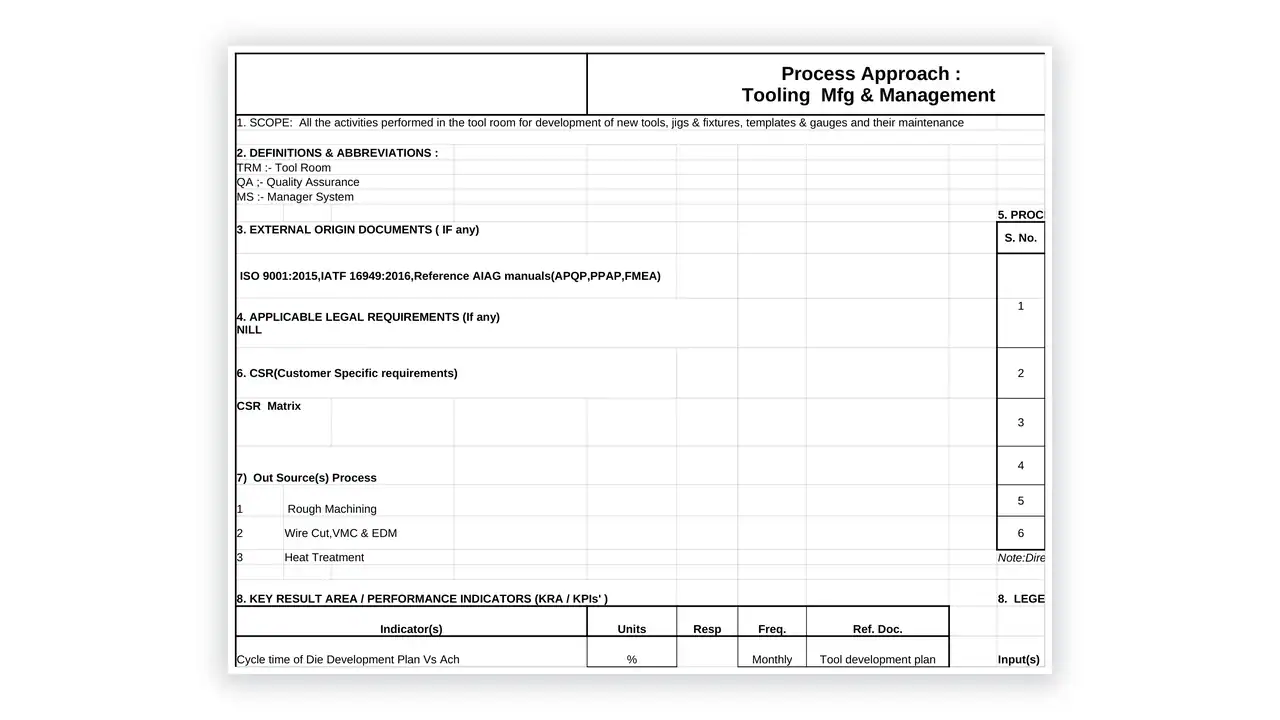
Automotive customers do not audit your quality manual – they audit whether your PPAP submission package arrives complete and on time, and whether the control plan behind it reflects the process you actually run. This is the largest pack in the catalogue at 273 editable files, organised by the department that owns each document. Downloadable the moment you check out. On this page:
- What is in the PPAP submission package pack
- IATF 16949:2016 is current, with a second edition planned
- Who needs PPAP submission package
- How the documents map to the framework
- Frequently asked questions
- Related toolkits
What is in the PPAP submission package pack
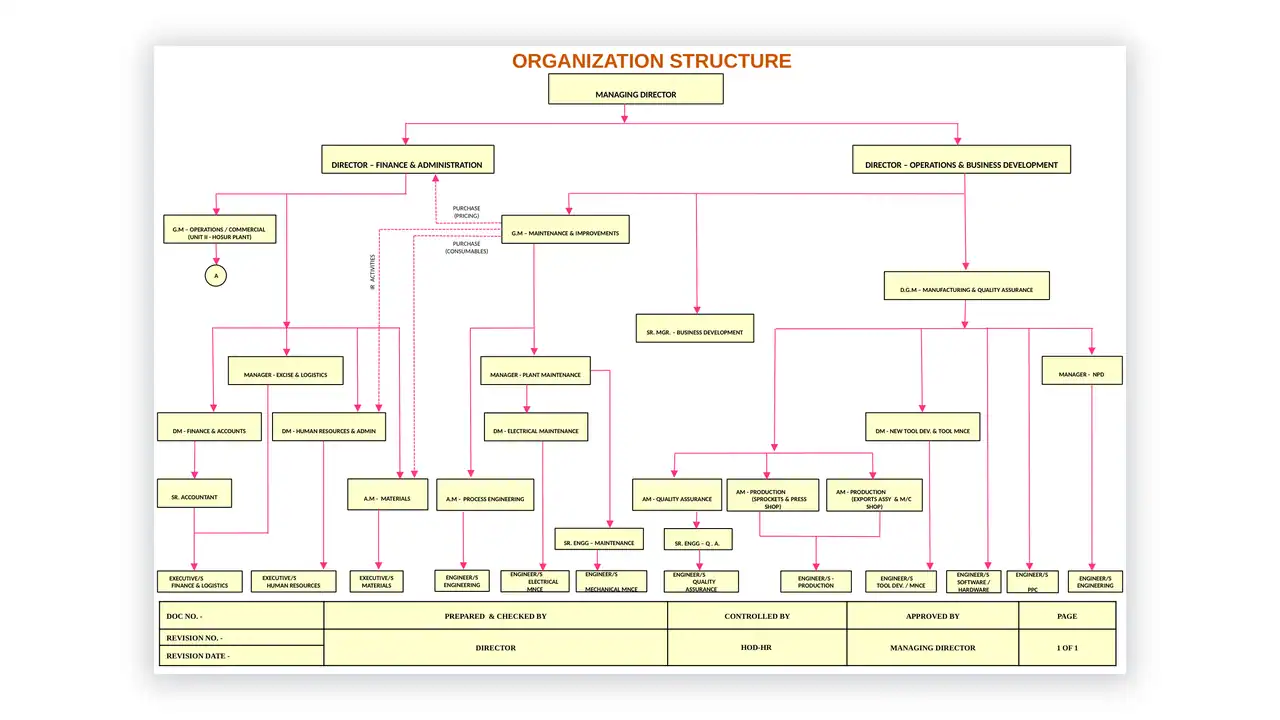
Rather than filing by clause, the pack is filed by function, which is how automotive plants are actually organised and audited:
- QMS Procedures – the core documented procedures spanning the whole system
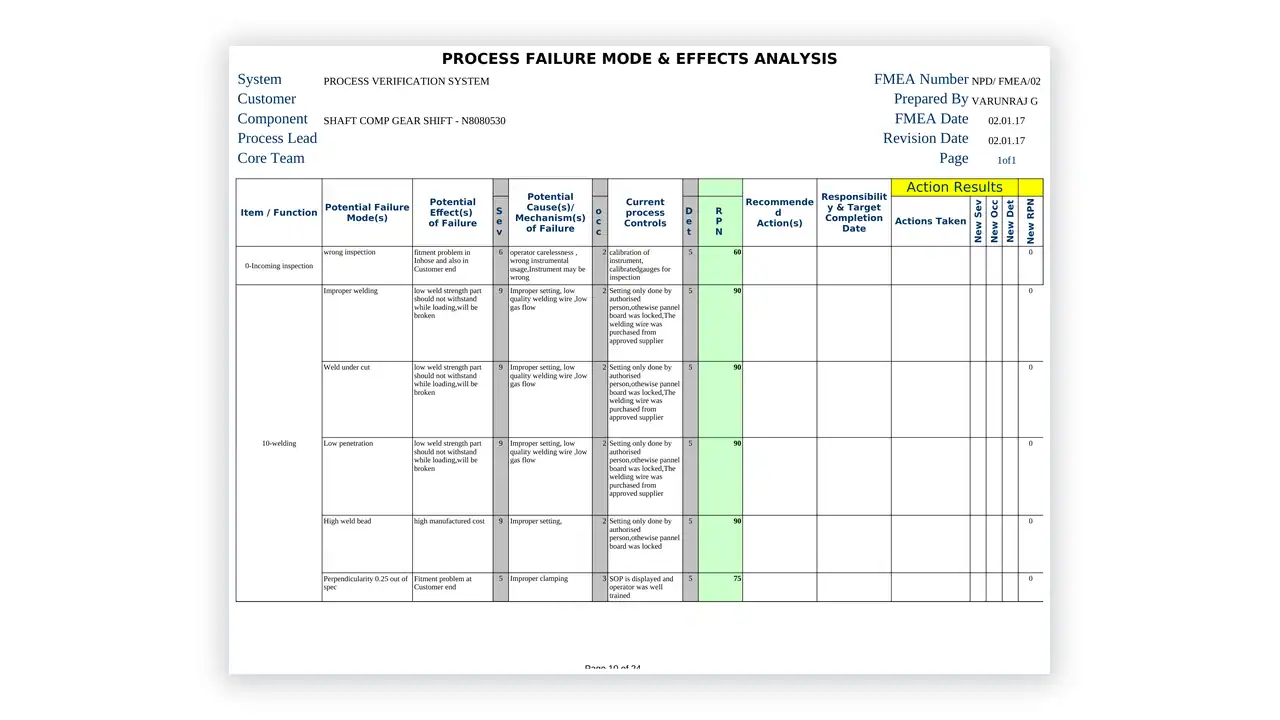
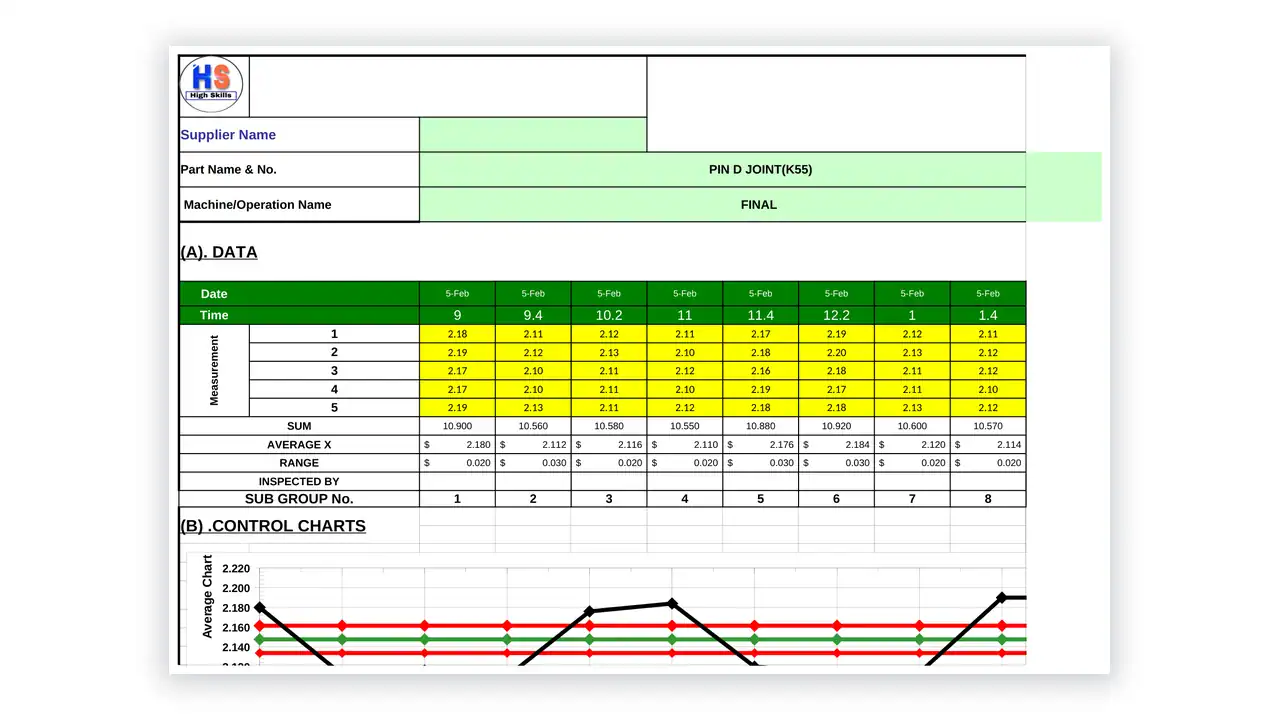
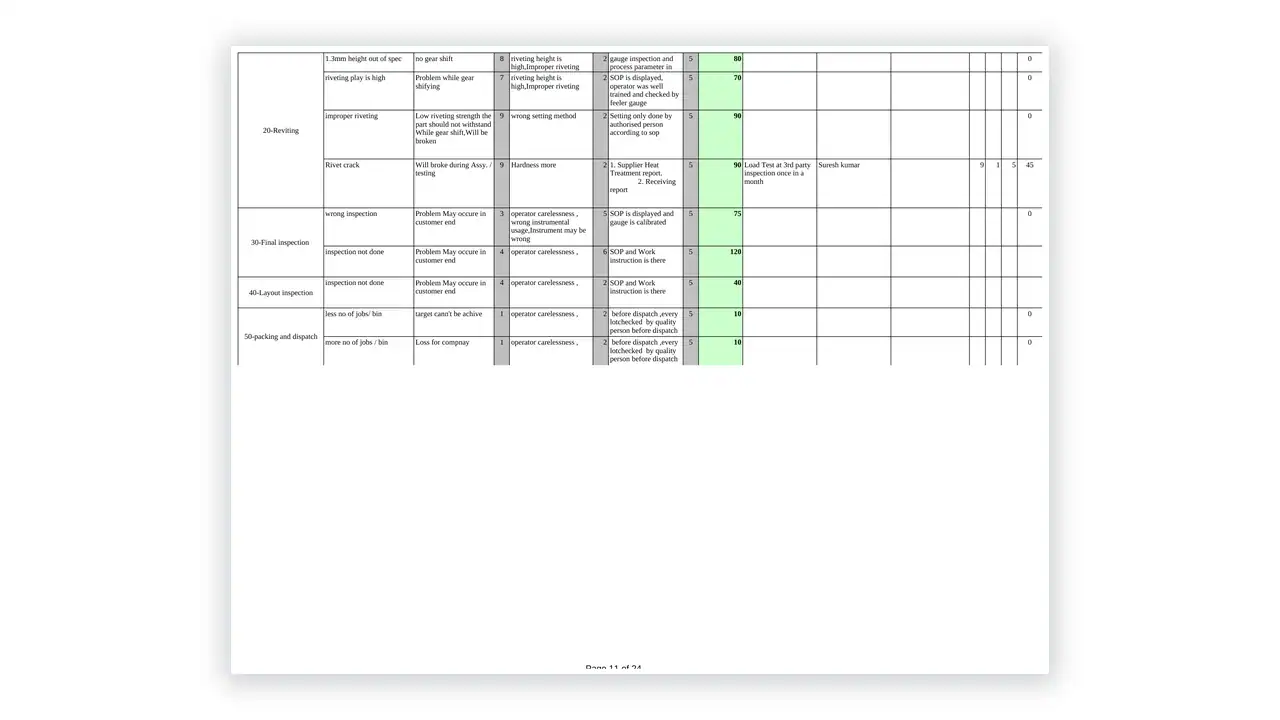
- Quality – control plans, PFMEA, inspection standards, gauge and measurement records, and the quality alert set
- New Product Development and Engineering – APQP phase deliverables, design records, change control and the drawing and ECN process
- Production – process control, operator instructions, setup approval, error-proofing verification and abnormality handling
- Purchase – supplier selection and development, approved supplier list, supplier scorecards and incoming inspection
- Maintenance – preventive and predictive maintenance, breakdown analysis and spare parts control
- Human Resources – competence, training calendars, skill matrices and awareness
- Laboratory – internal laboratory scope, calibration and measurement systems analysis
- Management Representative – management review, internal audit programme, customer-specific requirement tracking and the KPI set
- Information Technology, Marketing, Dispatch and Audit – the supporting functions IATF expects to be inside the system rather than outside it
- Other IATF Documents – the customer-specific requirement handling, contingency planning and the warranty and field failure process
IATF 16949:2016 is current, with a second edition planned
IATF 16949:2016 is still the first edition. The IATF confirmed in a July 2026 stakeholder communique that a second edition is planned for around mid-2027, with the transition aligned to the ISO 9001 transition since IATF 16949 is applied alongside ISO 9001 rather than instead of it.
Those dates are indicative rather than fixed, and the IATF has moved them before. What is certain is that ISO 9001:2026 was published in September 2026 and that IATF 16949 sits on top of it, so the aerospace-style double transition applies here too.
None of that changes the core tools. APQP, PPAP, FMEA, MSA and SPC are reference manuals published separately by the AIAG and are not affected by an IATF 16949 edition change. A complete PPAP submission package will look much the same after the second edition as before it.
Who needs PPAP submission package
Tier 1 and tier 2 automotive suppliers where IATF 16949 certification is a condition of doing business. Plants preparing for a certification or surveillance audit with a customer-specific requirements overlay. Suppliers receiving their first PPAP request and discovering how much documentation sits behind it. And quality managers rebuilding a system that has grown inconsistent across departments.
How the PPAP submission package maps to the framework
The link between PFMEA, control plan and work instruction is what an IATF auditor traces, and it is the most common place systems fall apart – a failure mode identified in the PFMEA with no corresponding control in the plan, or a control in the plan that the operator instruction does not mention. Keeping these documents in one department folder rather than scattered by clause makes that traceability visible.
Frequently asked questions
Is a second edition coming?
The IATF has indicated mid-2027, aligned with the ISO 9001 transition. Dates are indicative and have moved before. Certify to the 2016 edition now.
Does this include the AIAG core tool manuals?
No. APQP, PPAP, FMEA, MSA and SPC are copyrighted AIAG publications and are not redistributed. The pack provides the templates, forms and procedures you use to apply them.
Do we need ISO 9001 as well?
IATF 16949 is applied in conjunction with ISO 9001 rather than replacing it. See the ISO 9001 Toolkit, now at its 2026 edition.
Why organised by department rather than by clause?
Because that is how plants are structured and how auditors move through them. Clause-filed systems look tidy and are hard to operate.
How many documents are included?
273 editable files – 228 Excel workbooks, 41 Word documents and 3 presentations – plus a licence file.
Related toolkits
Automotive suppliers usually carry several systems. See the ISO 9001 Toolkit for the base standard, the TISAX Toolkit for automotive information security, the ISO 14001 Toolkit for environmental management and the ISO 45001 Toolkit for plant safety.
Implementing for clients? The Consultant Package licenses all 86 toolkits and assessment tools on this site for unlimited client engagements, under one firm-wide licence. One payment of $1,399, no subscription and no per-client fee.
Delivery, format and licence
Your PPAP submission package downloads immediately after checkout as native Microsoft Word and Excel files. Nothing is watermarked or locked, so you can rebrand the documents, bring them under your own document control and revise them for as long as you need them.
One-time purchase. No subscription and no annual renewal. Because the source files behind the PPAP submission package are yours, revising a procedure after an audit finding or a change of scope is an internal edit rather than another purchase.


Reviews
There are no reviews yet