
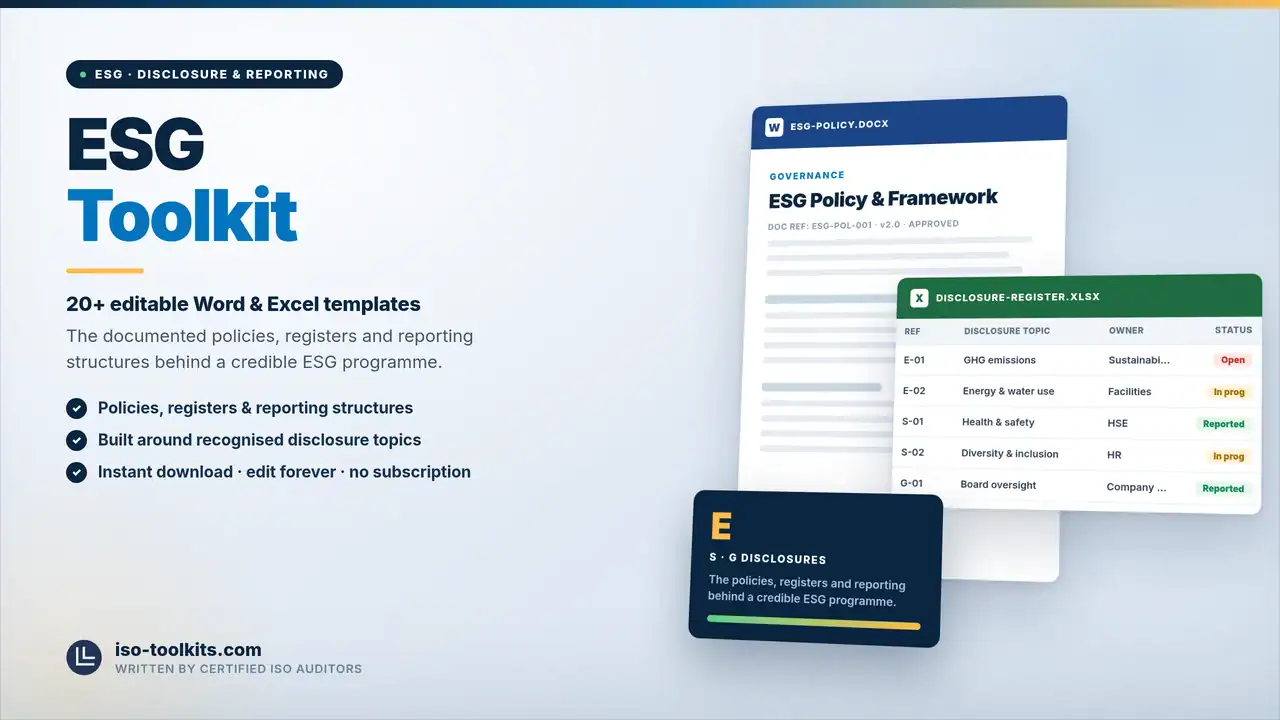
Generic ESG policies read as generic, which is exactly the criticism investors and procurement teams level at them. This pack provides five sector-specific ESG policy templates written for different industries, alongside the governance and environmental documents that support them. 20 editable files, downloadable the moment you check out. On this page:
- What is in the sector-specific ESG policy pack
- Why the sector matters more than the framework
- Who needs sector-specific ESG policy
- How the documents map to the framework
- Frequently asked questions
- Related toolkits
What is in the sector-specific ESG policy pack
A deliberately compact set, weighted towards the documents that differ between organisations rather than the ones that do not:
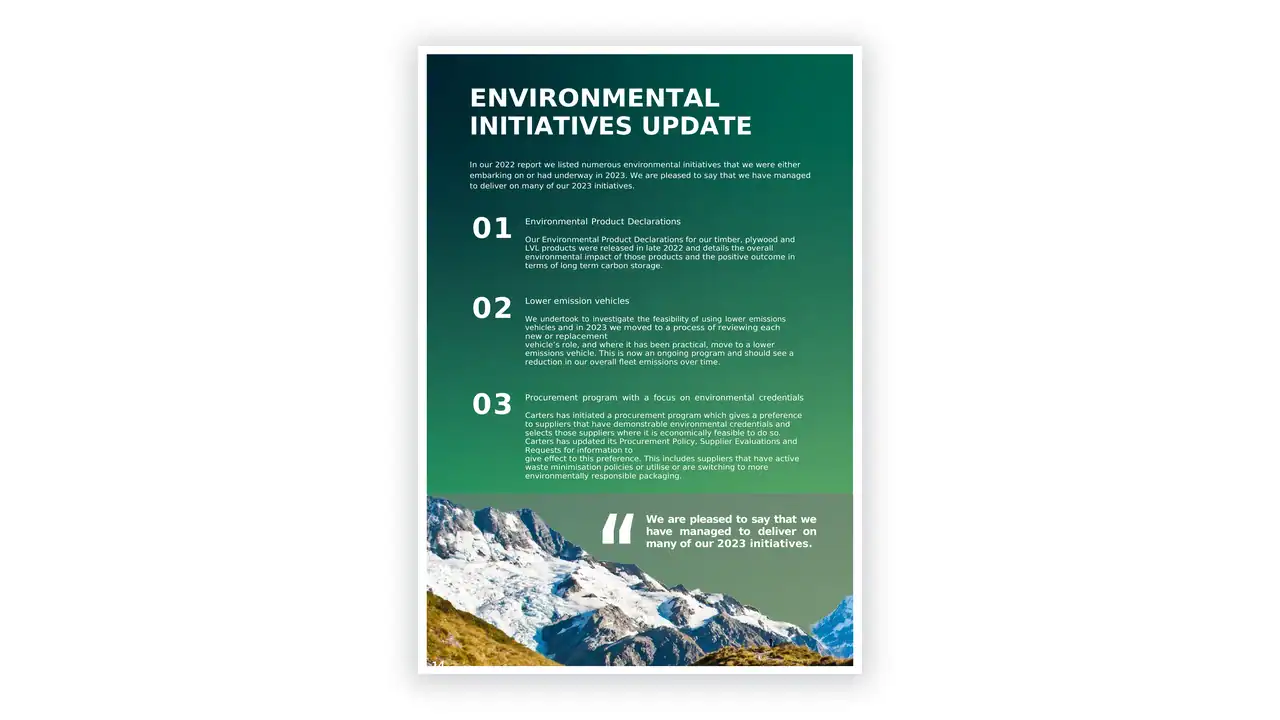
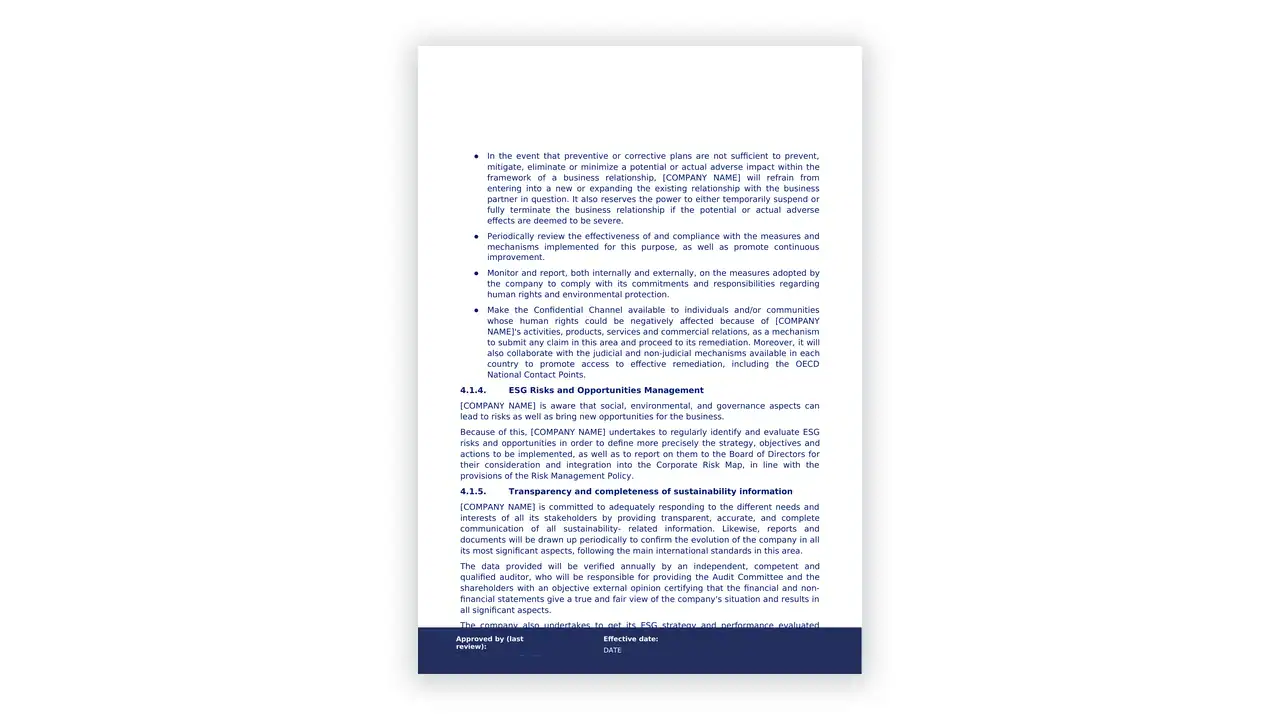
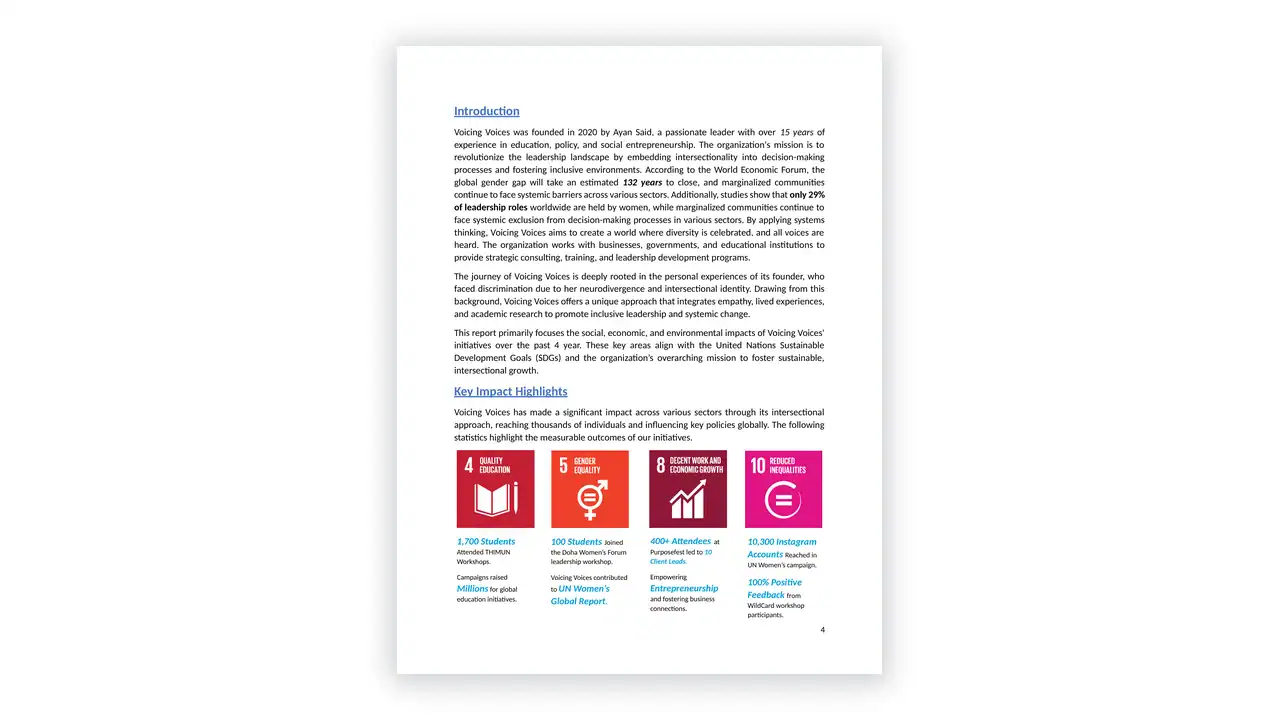
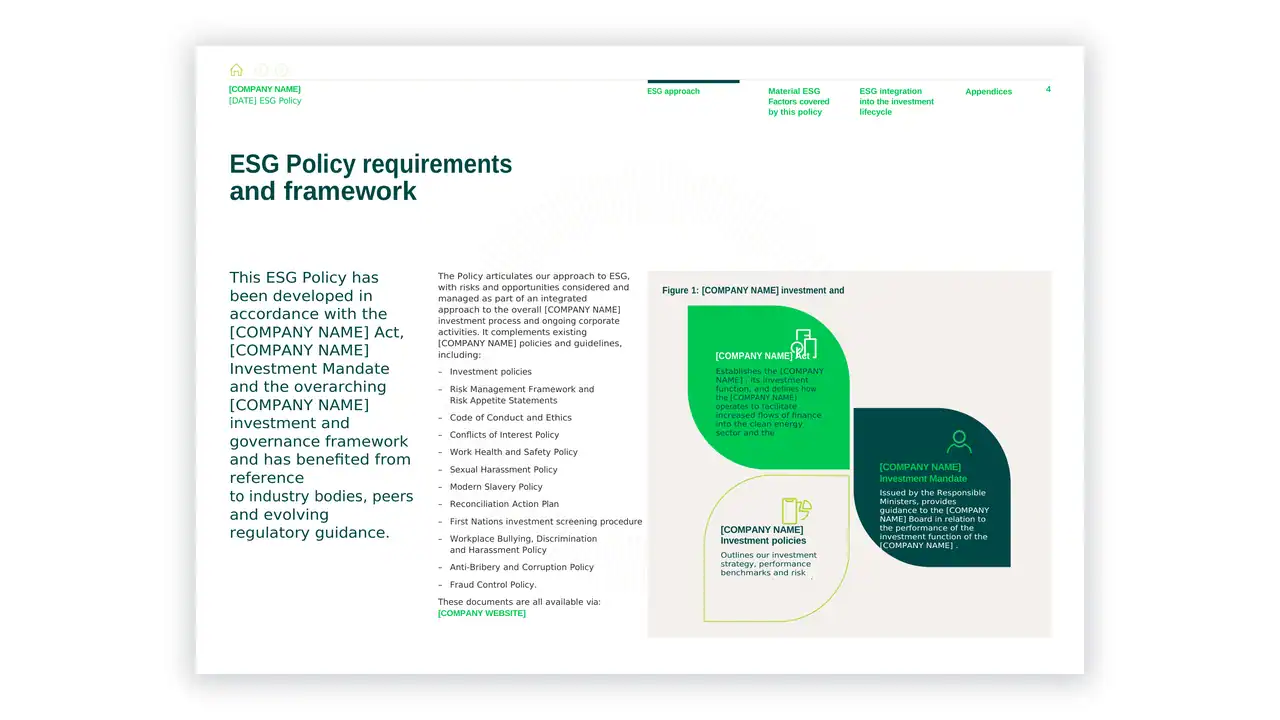
- Five ESG policy templates, each written for a different sector – telecommunications, investment management, wellness, banking with a green finance focus, and real estate – so you start from something that already reflects the material issues in your industry
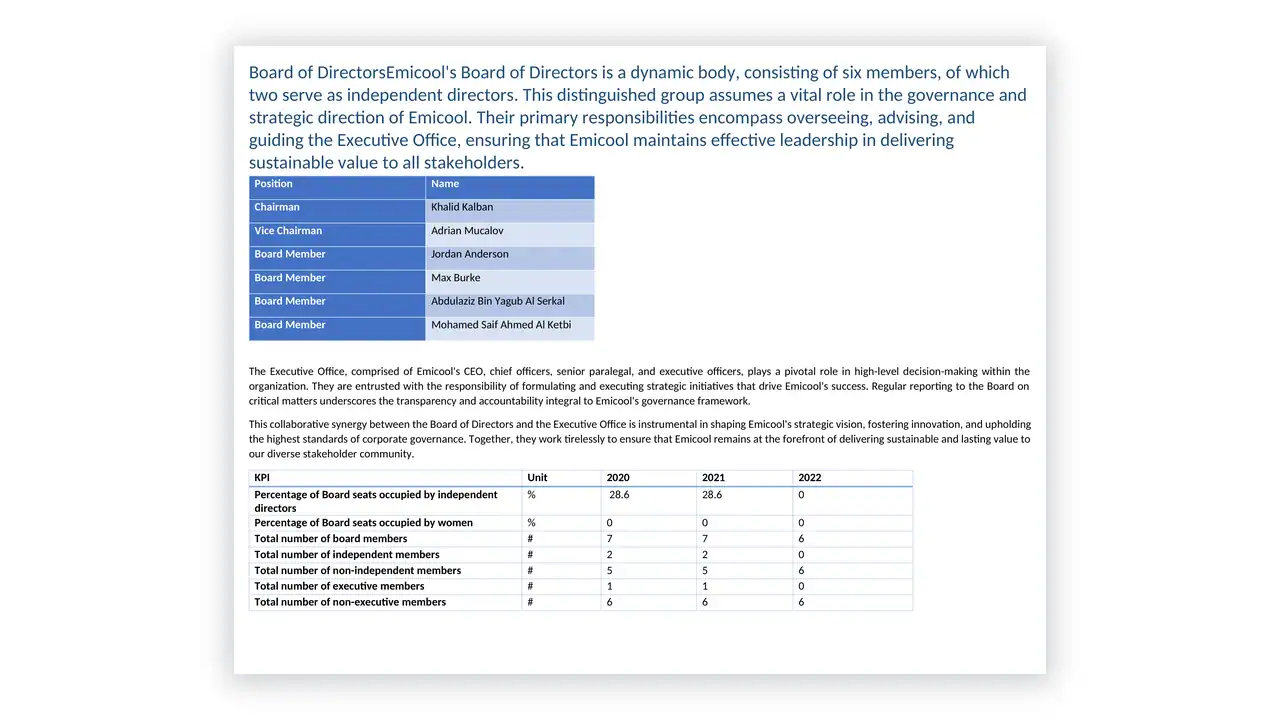
- Corporate Governance Policy – board composition, independence, committees and the governance disclosures that sit in the G of ESG
- Anti-Bribery and Anti-Corruption Policy
- Audit Policy – the internal audit arrangements ESG frameworks expect to see
- Environmental Policy
- HR Policy and the social pillar documents covering workforce, diversity and community
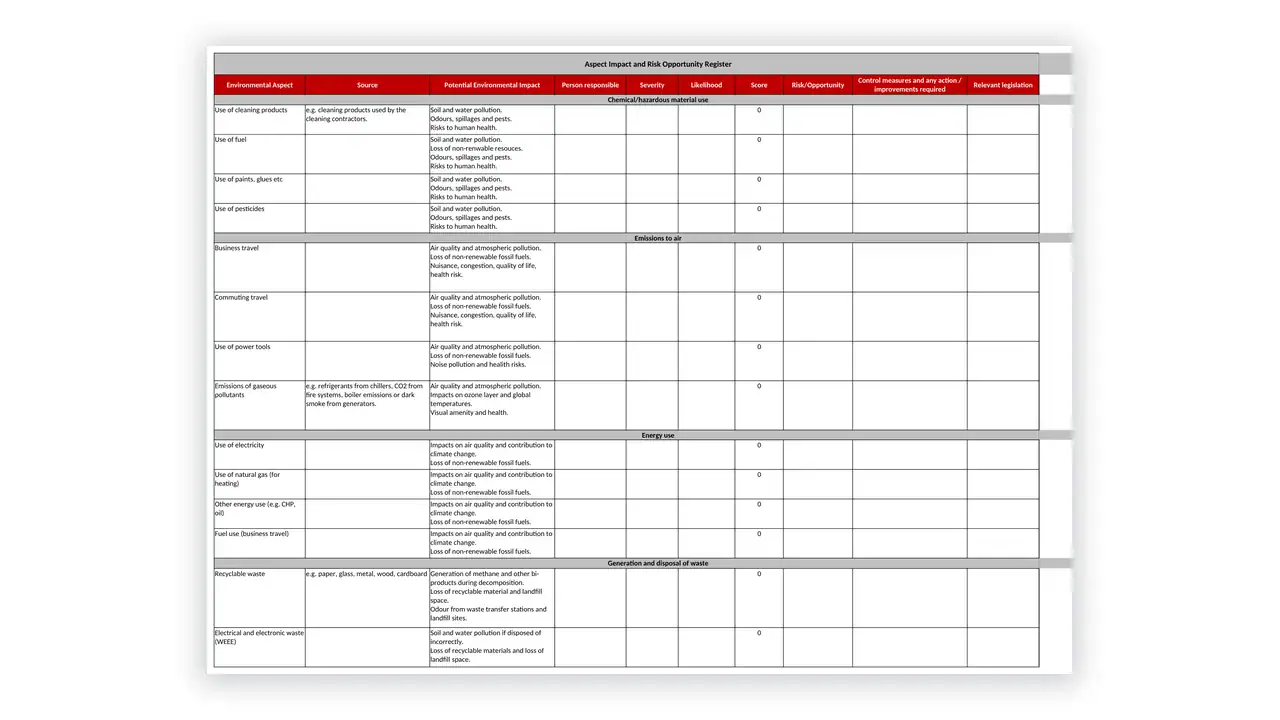
- Environmental Aspects and Impacts Register
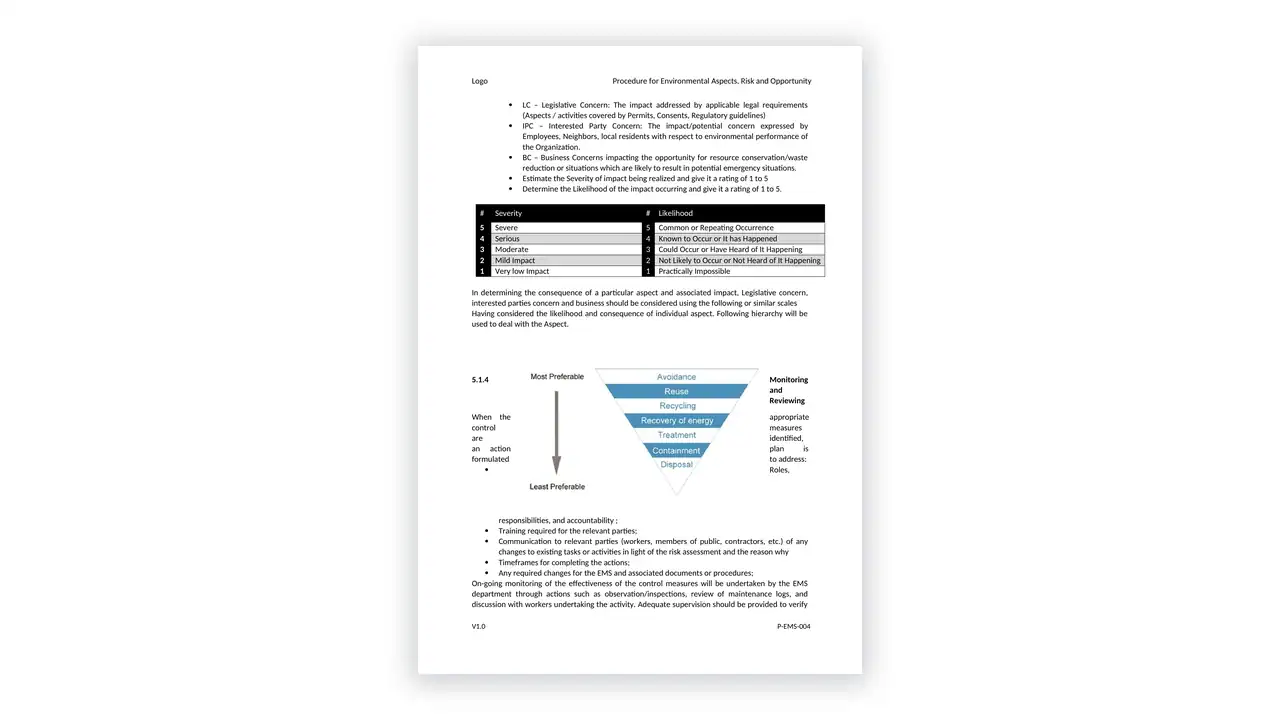
- Aspect, Impact and Risk and Opportunity Register – tying environmental aspects to enterprise risk rather than keeping them separate
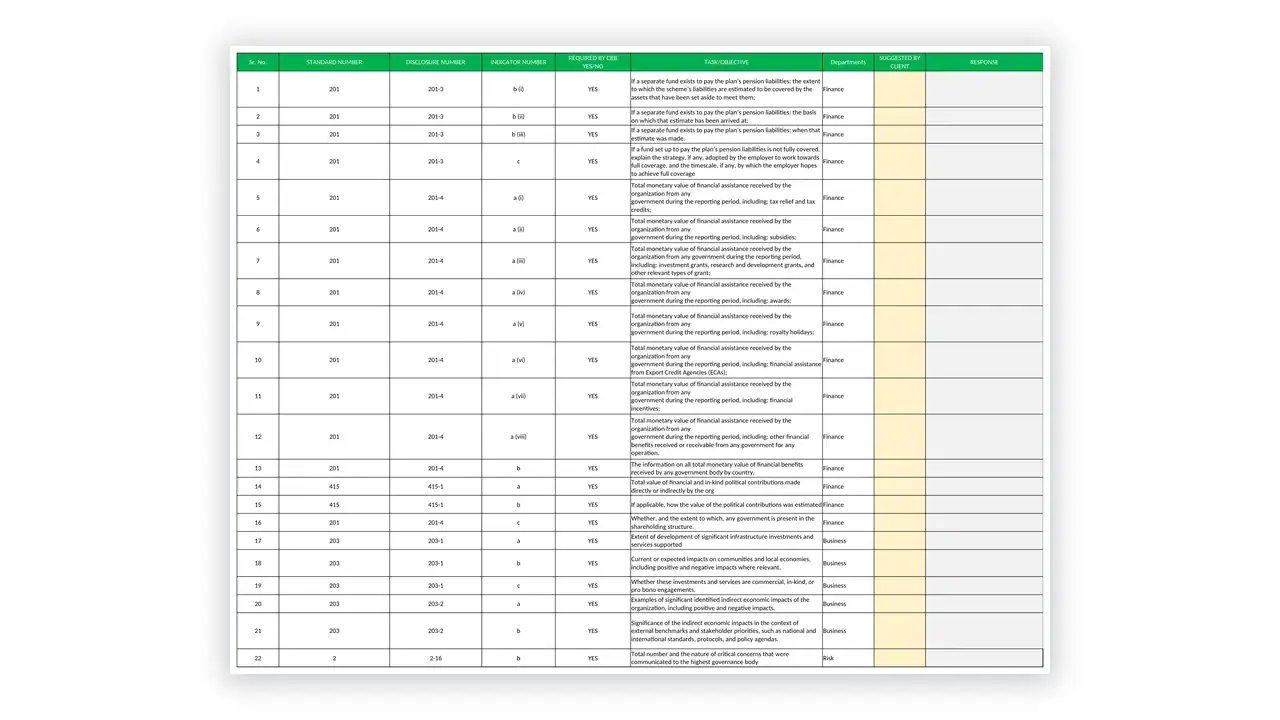
- ESG Gap Analysis Tool – a workbook for assessing your current position against the disclosures you intend to make
- Supporting policies covering supply chain, stakeholder engagement and reporting
Why the sector matters more than the framework
ESG reporting frameworks proliferate and shift – GRI, SASB, TCFD, ISSB and the EU sustainability reporting standards all overlap and none has fully displaced the others. Choosing between them is a reporting decision that comes later.
What comes first is knowing which issues are material to your organisation, and that is driven by sector far more than by framework. Water and land use dominate for real estate; financed emissions and exclusion criteria for an investment manager; network energy and e-waste for telecoms. A sector-specific ESG policy starts from those and is immediately more credible than a general commitment to sustainability.
The gap analysis tool then works the other way round – from where you are to what you can credibly disclose. Overstating an ESG position is now a legal risk in several jurisdictions rather than merely a reputational one, so the ability to see the gap before you publish matters.
Who needs sector-specific ESG policy
Organisations writing an ESG policy for the first time, usually prompted by an investor, a lender or a customer questionnaire. Companies whose existing ESG statement is generic and has been challenged. Investment managers and banks needing a policy that addresses financed activity rather than only their own operations. And boards wanting the governance pillar documented properly rather than assumed.
How the sector-specific ESG policy maps to the framework
The environmental documents are deliberately structured to connect to an ISO 14001 system if you run one – the aspects and impacts register uses the same method, so environmental data feeds both the management system and the ESG disclosure rather than being collected twice.
Frequently asked questions
Which reporting framework does this follow?
None exclusively. The policies and registers support disclosure under GRI, SASB, TCFD, ISSB or the EU standards – the framework choice is a reporting decision that sits above this documentation.
Why five sector policies?
Because materiality is sector-driven. Starting from a policy written for your industry produces something credible far faster than editing a generic one.
Does this cover carbon accounting?
It covers the policy and governance layer. Detailed greenhouse gas inventory and accounting methodology sit outside this pack; see the ISO 50001 Toolkit for energy performance measurement.
Is this enough for CSRD?
No. The EU Corporate Sustainability Reporting Directive has specific, extensive requirements. This pack provides the underlying policy and governance documentation rather than the CSRD reporting structure.
How many documents are included?
20 editable files – 17 Word documents and 3 Excel workbooks – plus a licence file.
Related toolkits
ESG draws on several management systems. See the ISO 14001 Toolkit (2026 edition) for environmental management, the ISO 50001 Toolkit for energy performance, the ISO 37001 Toolkit for anti-bribery and the ISO 37301 Toolkit for compliance management.
Implementing for clients? The Consultant Package licenses all 86 toolkits and assessment tools on this site for unlimited client engagements, under one firm-wide licence. One payment of $1,399, no subscription and no per-client fee.
Delivery, format and licence
Your sector-specific ESG policy downloads immediately after checkout as native Microsoft Word and Excel files. Nothing is watermarked or locked, so you can rebrand the documents, bring them under your own document control and revise them for as long as you need them.
One-time purchase. No subscription and no annual renewal. Because the source files behind the sector-specific ESG policy are yours, revising a procedure after an audit finding or a change of scope is an internal edit rather than another purchase.


Reviews
There are no reviews yet