
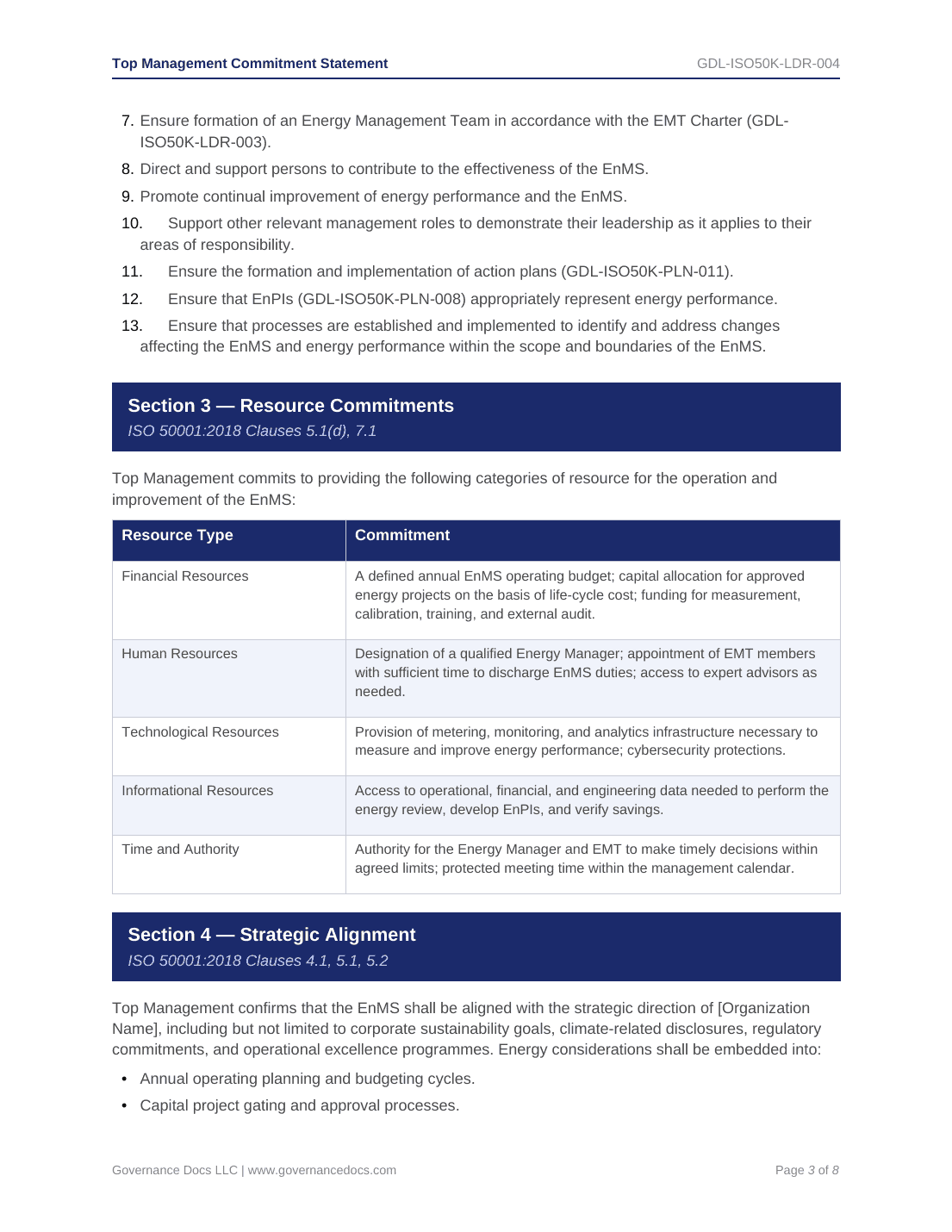
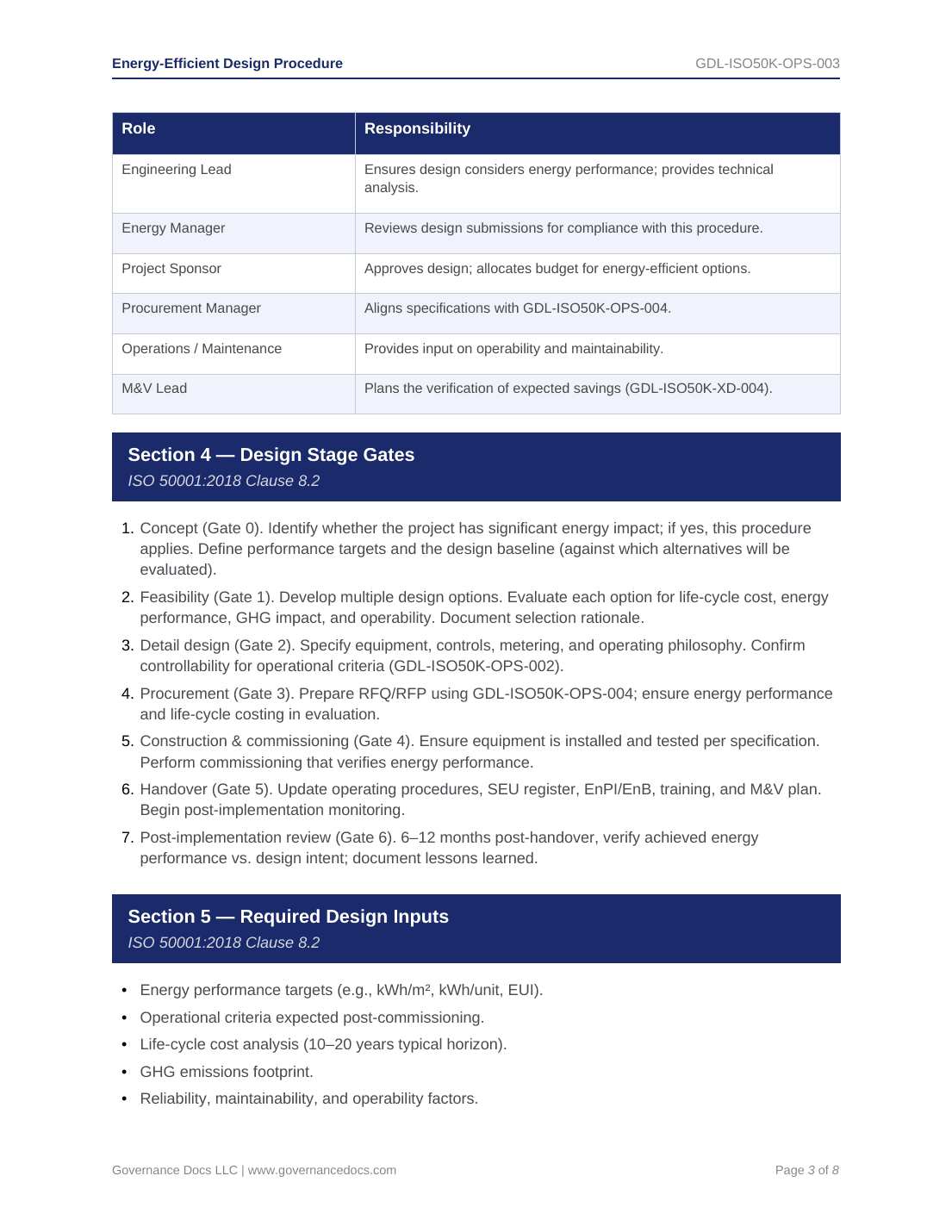
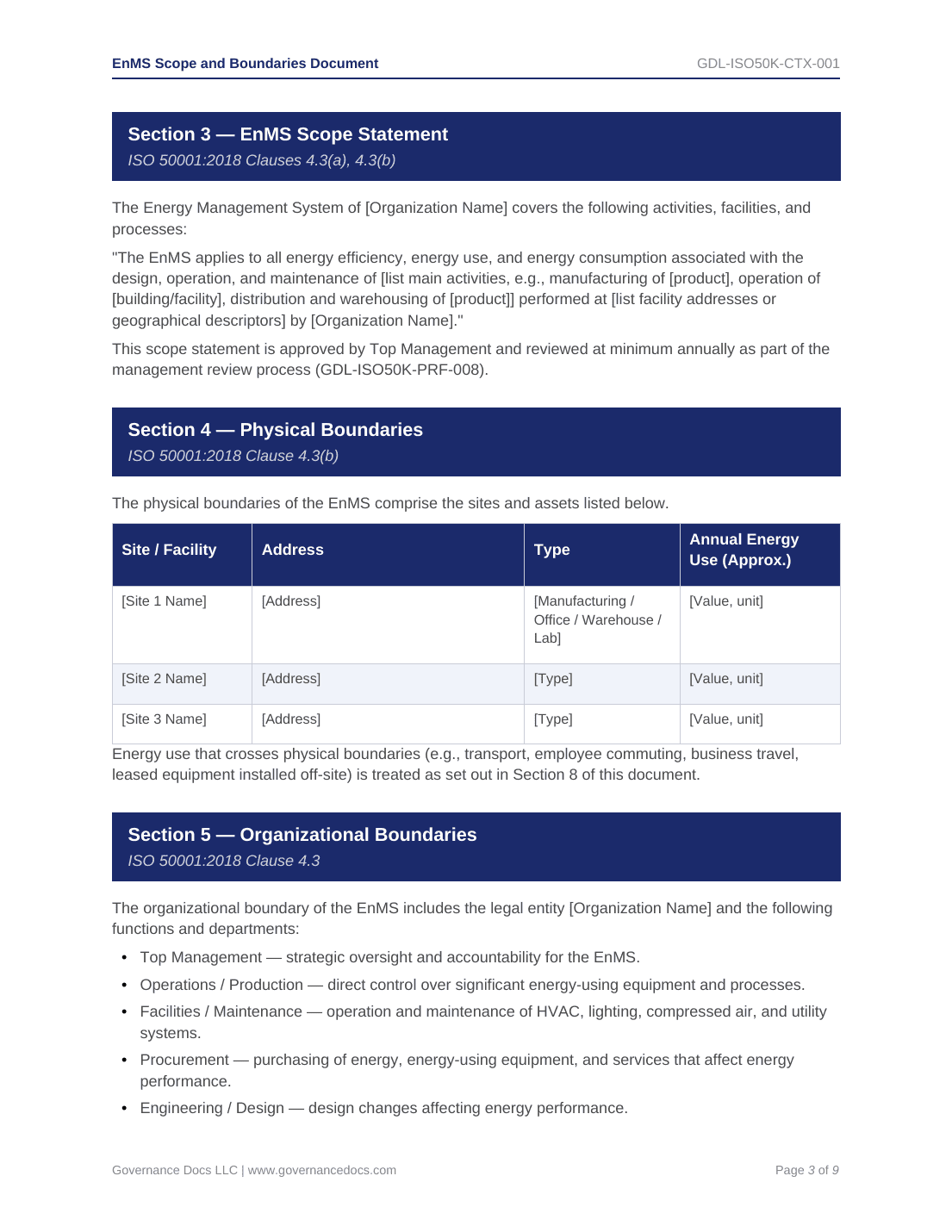
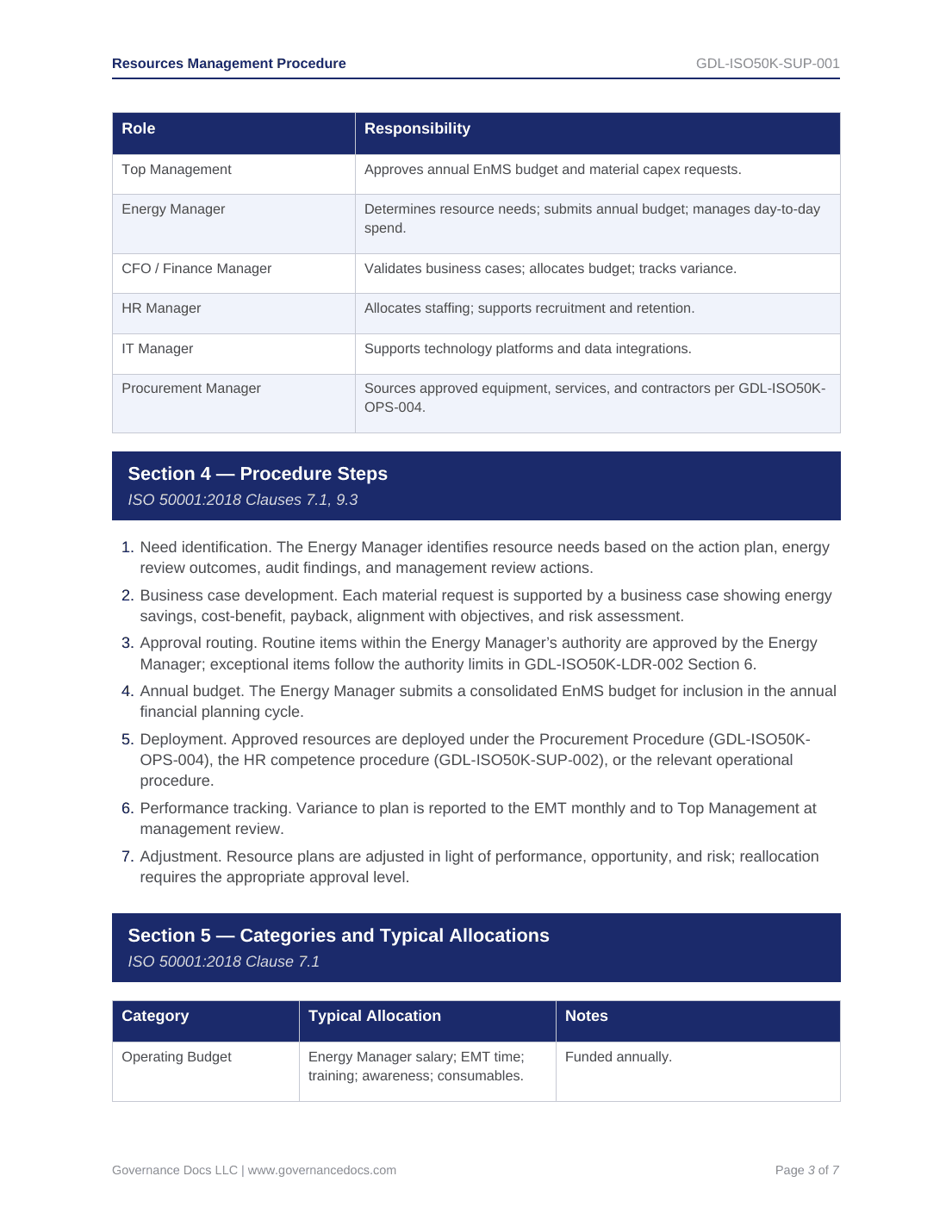
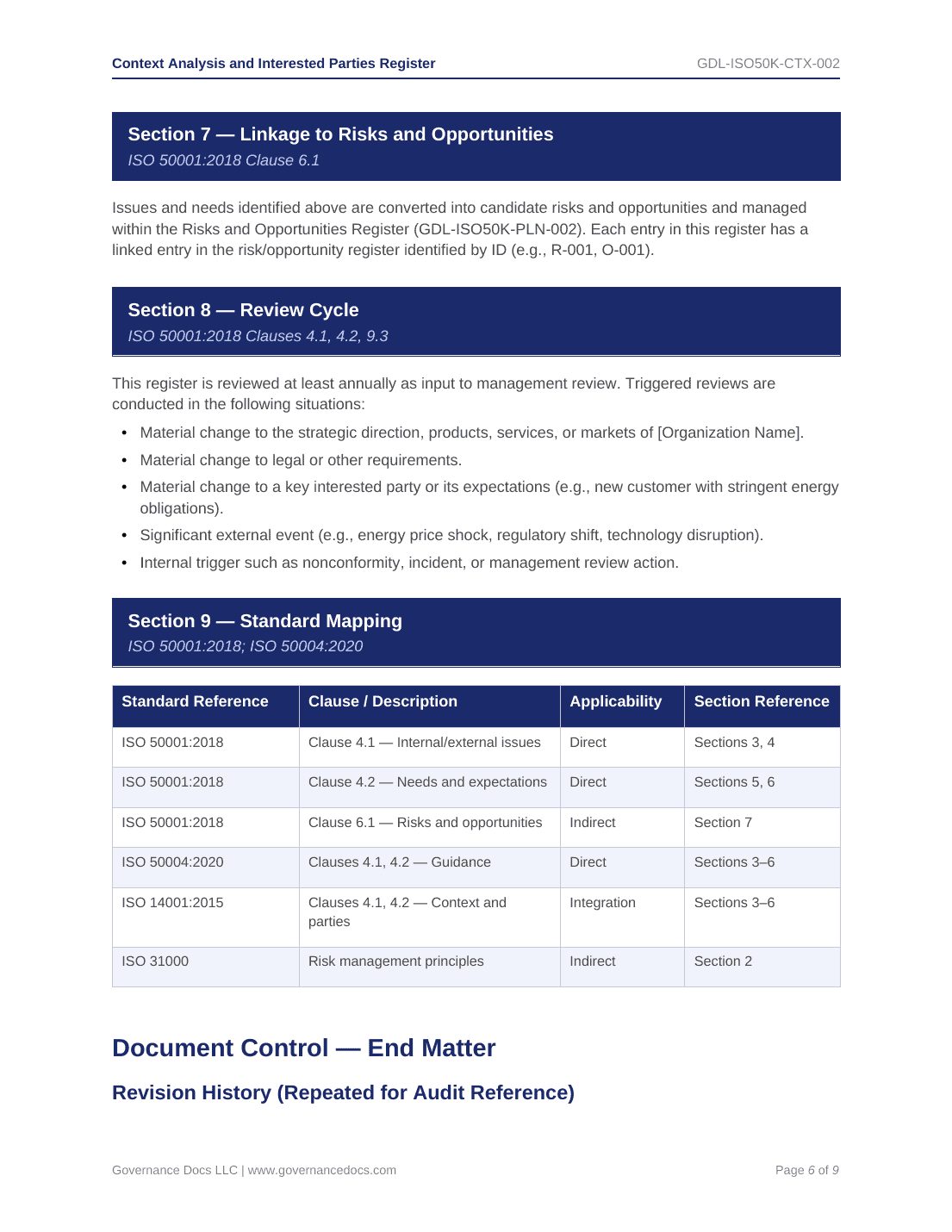
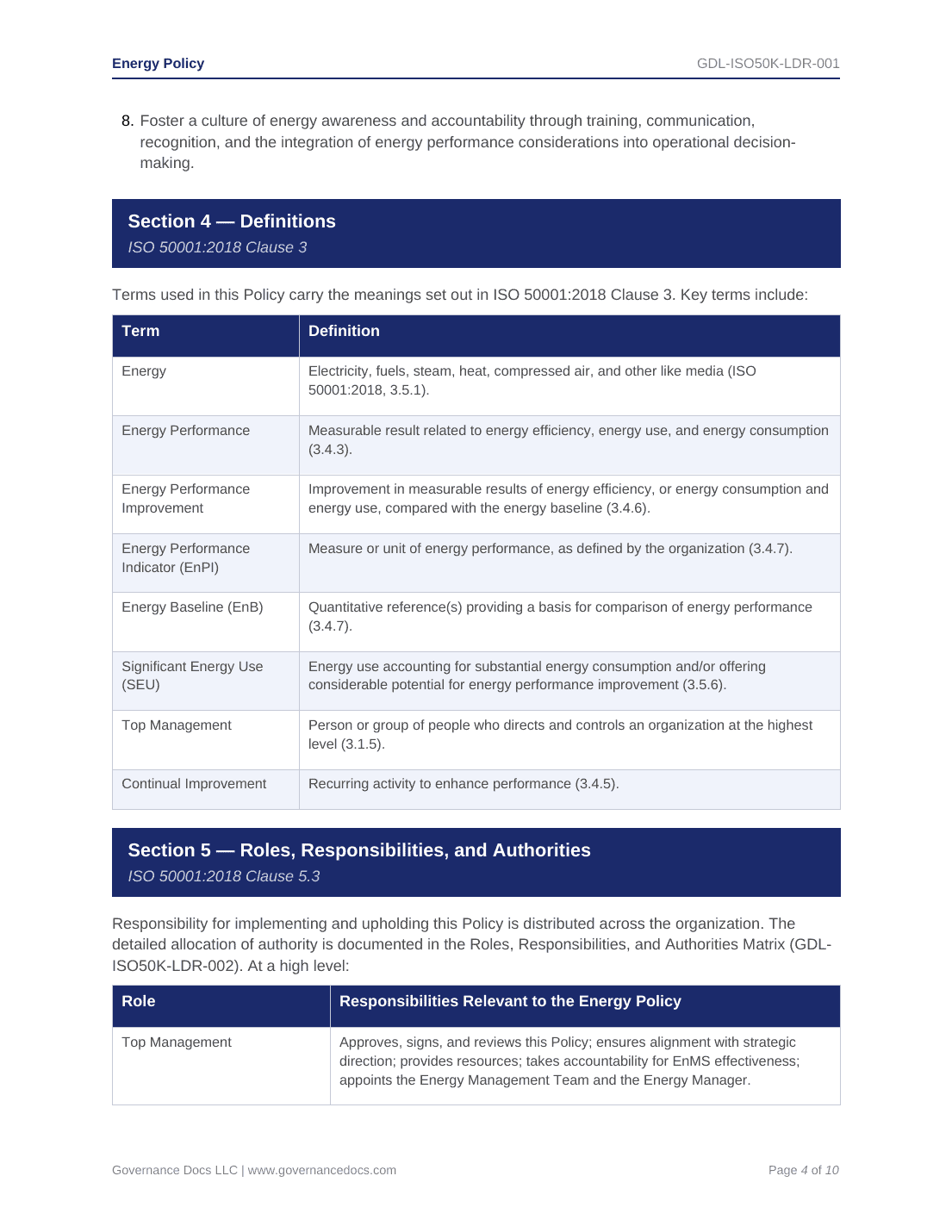
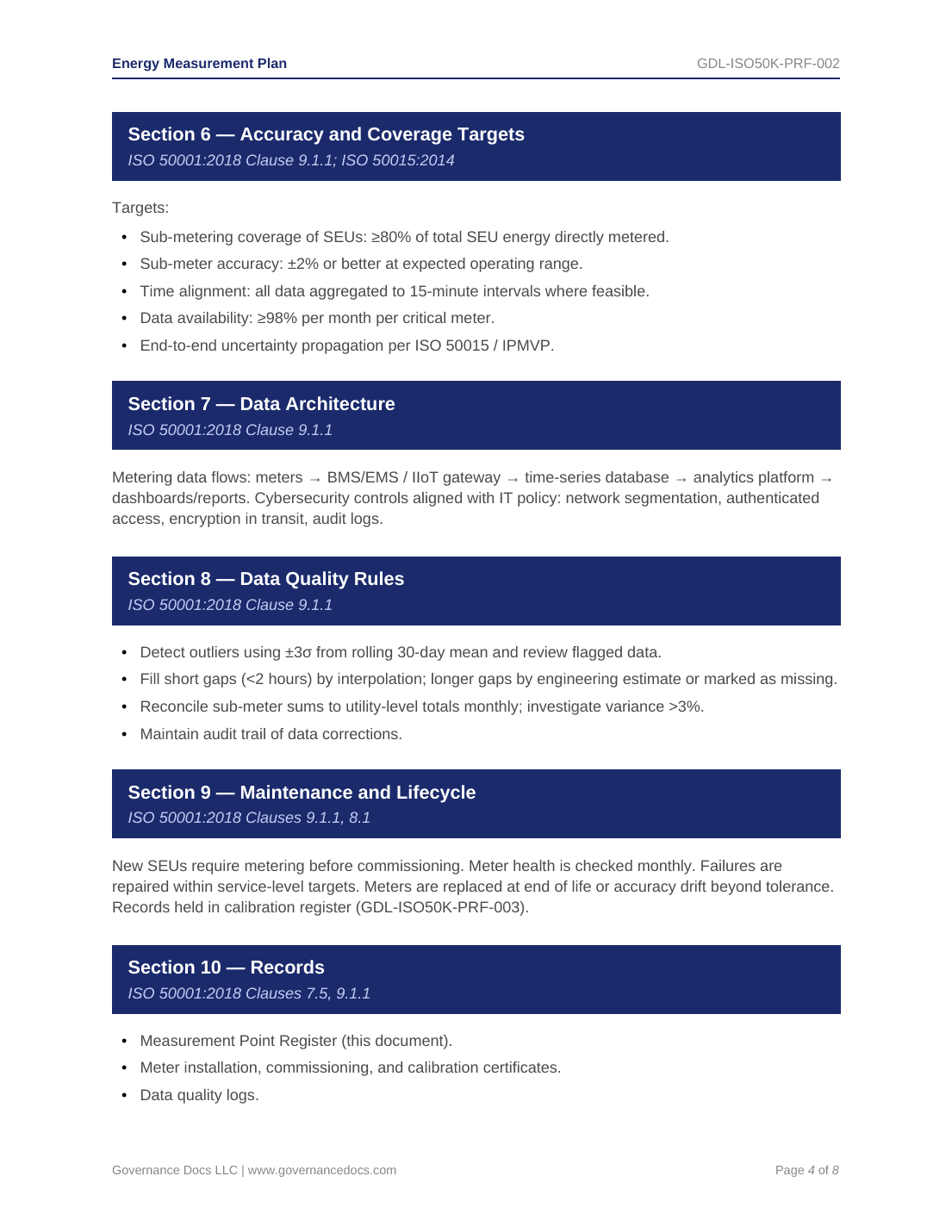
The ISO 50001 Toolkit is a practical route to a working energy management system: 47 ready-to-use templates spanning every clause of the standard, from context of the organisation through to continual improvement. On this page:
- What is inside the ISO 50001 Toolkit
- Who this toolkit is for
- How the toolkit maps to ISO 50001
- Why buy instead of deciphering the clauses yourself
- Frequently asked questions
- Related management system toolkits
What is inside the ISO 50001 Toolkit
Energy is often one of the largest controllable costs on an organisation’s books, yet it is rarely managed with the same rigour as finance or quality. This pack applies that rigour.
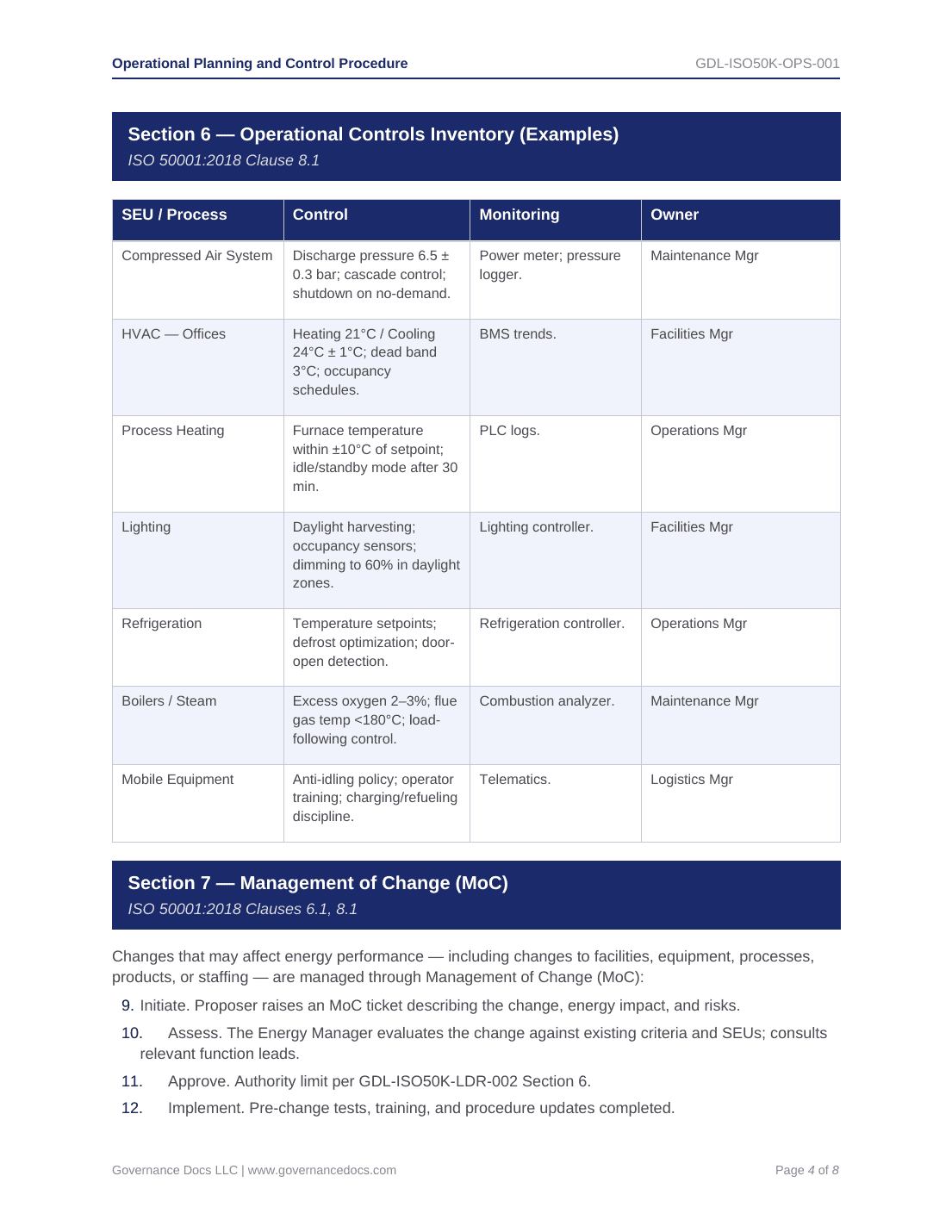
- Energy policy and EnMS manual establishing scope, boundaries and commitment
- Energy review, energy baseline and significant energy use analysis templates
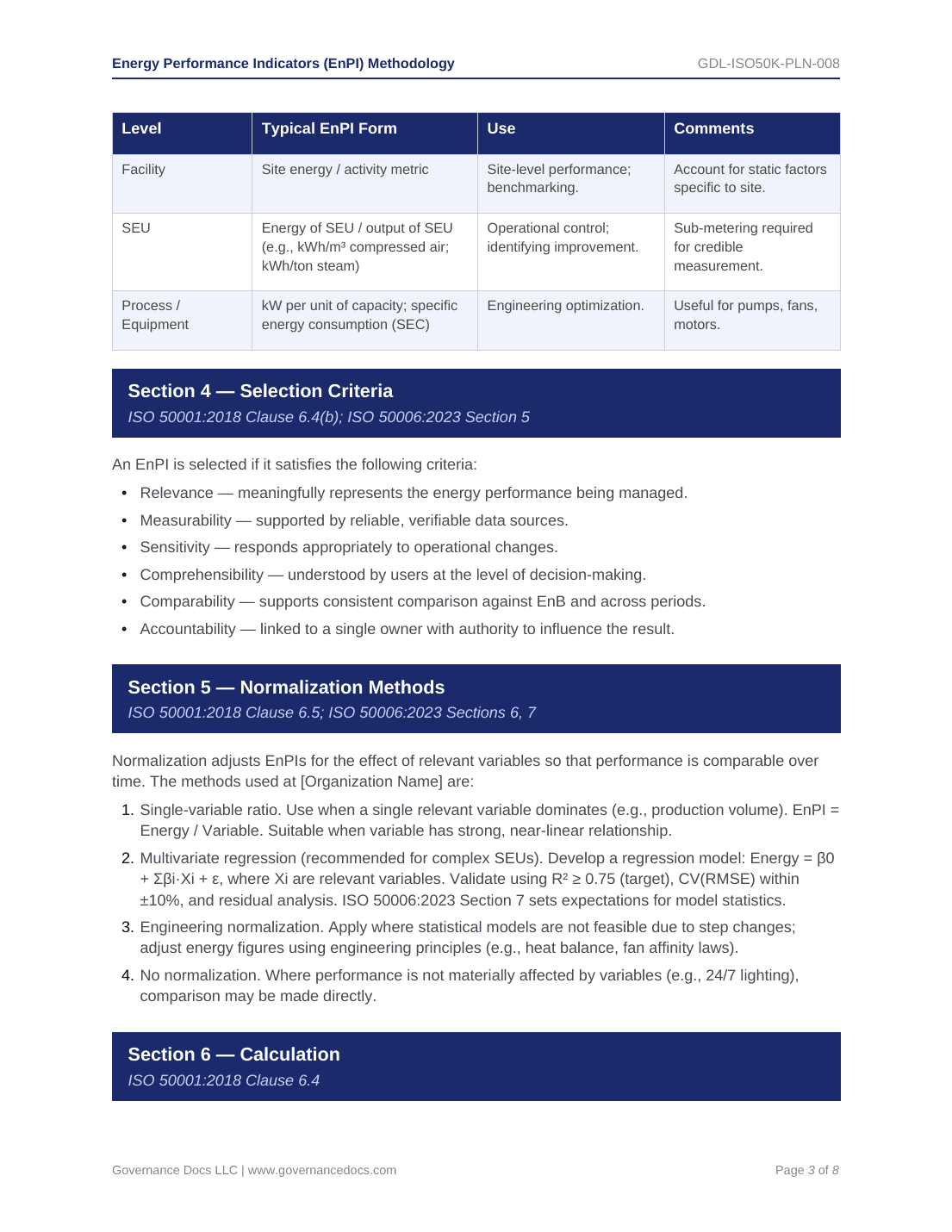
- Energy performance indicator register and monitoring procedures
- Legal and other requirements register plus objectives and energy targets planning
- Operational control, design and procurement procedures for energy-efficient practices
- Competence, awareness, internal audit and management review procedures
- Nonconformity and corrective action templates, with data-collection and measurement plans
Who the ISO 50001 Toolkit is for
Manufacturers, facilities operators, hospitals, data centres and any energy-intensive enterprise pursuing certification or simply chasing sustainability targets and lower bills. It also suits organisations facing mandatory energy audit or reporting schemes, where a documented system turns a compliance exercise into an improvement programme.
How the ISO 50001 Toolkit maps to the standard
Each of the 47 documents is mapped to the requirements, with the energy review, baseline and performance indicators forming the technical core that distinguishes this standard from other Annex SL systems. Demonstrating genuine energy performance improvement, not just a documented system, is what auditors test. You can confirm the current edition on the ISO website.
Why the ISO 50001 Toolkit beats deciphering the clauses
Writing an EnMS from scratch means translating the standard’s clauses into workable procedures, a task that typically consumes weeks of management time or a hefty consultant invoice, and the baseline and EnPI methodology are the parts most often got wrong. You add your energy data, adjust the procedures to your sites, and arrive at a certification-ready system in a fraction of the usual time.
ISO 50001 Toolkit frequently asked questions
Do we need smart metering first?
No. The data-collection and measurement plans work with whatever metering you have, and they help identify where additional sub-metering would actually pay back.
How is the energy baseline set?
The energy review and baseline templates guide you through selecting a representative period, normalising for relevant variables, and documenting the reasoning an auditor will question.
Can it integrate with ISO 14001?
Yes, and it commonly does. Both share the Annex SL structure, and energy performance feeds directly into environmental objectives and emissions reporting.
Related management system toolkits
Pair this with the ISO 14001 Toolkit for environmental management and the ESG Toolkit for sustainability disclosure. Estate owners add the ISO 55001 Toolkit and ISO 41001 Toolkit, or take quality, environment and safety together in the IMS Toolkit.
Delivery, format and licence
Your ISO 50001 Toolkit downloads immediately after checkout as native Microsoft Word and Excel files. Nothing is watermarked or locked, so you can rebrand the documents, bring them under your own document control and revise them for as long as you need them.
It is a one-time purchase with no subscription and no annual renewal. Because the source files are yours, updating a procedure after an audit finding or a change of scope is an internal edit rather than a new purchase.



Reviews
There are no reviews yet.